

‘Check Clean Dry’ to Protect Our Sport
We have partnered with Biodiversityireland.ie to provide the following information on the threat of invasive species and what we, as anglers, can do to prevent their introduction and spread
Invasive Species
Anglers spend a considerable time on or near water, which creates a strong connection to the environment, and they are often the first to notice changes to the areas they like to fish. Anglers have always been at the forefront of conservation, and their efforts in protecting our waterbodies from the spread of invasive species are significant.
An invasive species is a plant, animal or pathogen that has been introduced into a new environment and causes economic, environmental and human health harm. Some invasive species can seriously affect both fish stocks and water quality, while others can damage boat engines, clog propellers, and block waterways.
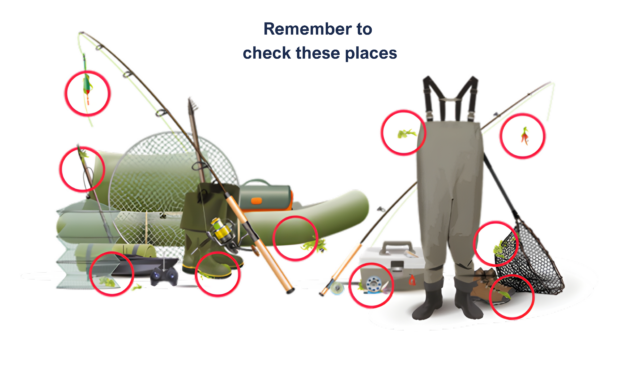
Contaminated boats, equipment, footwear, and clothing, etc., are among the most common causes of the spread of invasive species to new environments. Invasive species can be small and hard to spot, so they are easily spread on damp equipment and gear (hulls, bilge water, ropes, and clothing).
Check Clean Dry Method
Anglers can help protect our wildlife and environment by remembering to “Check Clean Dry” when moving between waterbodies. These simple but effective three biosecurity measures** are critical in stopping the spread of invasive species, fish disease and protecting the island of Ireland’s waterways. Prevention is better than cure for invasive species because it is far more cost-effective and prevents irreversible environmental damage.
** measures or actions taken to prevent the introduction and spread of invasive species.
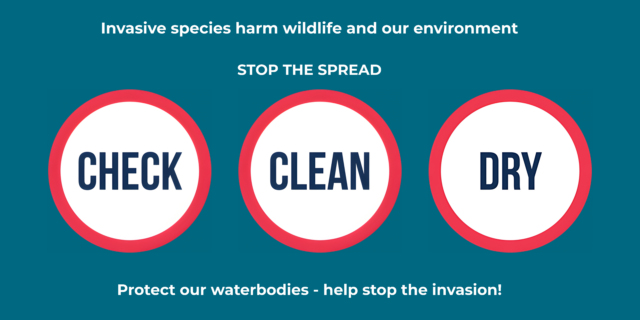
Following the three steps Check Clean Dry is a simple and effective biosecurity measure we can implement as individuals.
- CHECK boats, equipment and clothing for any visible organisms or debris. Remove anything visible you find and leave it on site, disposing of it responsibly.
- CLEAN everything thoroughly as soon as you can. Pay particular attention to nets, waders and areas that are damp and hard to access. If possible, use hot water or a high-pressure spray.
- DRY all equipment and clothing for as long as possible. Some invasive species can live for up to two weeks in damp conditions.
Note:
- If you cannot clean at the site, you can pack away your clothing and gear in a laundry bag (or something similar) and clean with hot tap water when you return home, before entering a new waterbody.
- If complete drying is not possible, then disinfect everything, making sure you read the manufacturer’s guidance on dilution and disposal.
- Anyone who is visiting Ireland and bringing their own boats, please take extra care to ensure all fishing gear arrives clean and dry
When should I use disinfectant?
- When complete drying is not possible, equipment can be disinfected
- Read the manufacturer’s instructions to ensure proper dilution and safe handling
- Try to immerse your clothing and equipment for at least 15 minutes
- If spraying onto gear, undertake away from the water’s edge and on hard standing ground
- Please follow manufacturer guidance on when to replace the disinfectant, as it loses effectiveness over time
- Be cautious with sensitive gear, such as fishing reels, as disinfectant may damage fragile equipment
- Dip tanks with disinfectants can be used to help prevent the spread of fish diseases and pathogens

Participants who fish abroad
Anglers have a high risk of unintentionally carrying invasive species on their gear if they have fished abroad and have not remembered to Check Clean and Dry BEFORE travelling back to Ireland. If you are travelling back to Ireland after a fishing trip abroad, please follow the above Check Clean Dry protocols before returning home.
Additional Biosecurity Actions
“Biosecurity” means taking everyday actions to stop the introduction and spread of invasive species. Even the most basic biosecurity actions can help stop the spread of invasive species.
Prevention is ALWAYS better than cure!
Other biosecurity actions that can be taken as anglers:
- Having effective biosecurity at angling events can help create a lasting impact on the way participants carry out their angling activities in the future
- Raise awareness with other anglers of the importance of biosecurity and Check Clean Dry-SPREAD THE WORD NOT THE INVASIVE
- Using and disposing of bait responsibly
Report all sightings of any invasive species via the following websites:
Ireland: invasives.ie
Northern Ireland: invasivespeciesni.co.uk
Some Invasives To Watch Out For
Topmouth Gudgeon (Pseudorasbora parva)
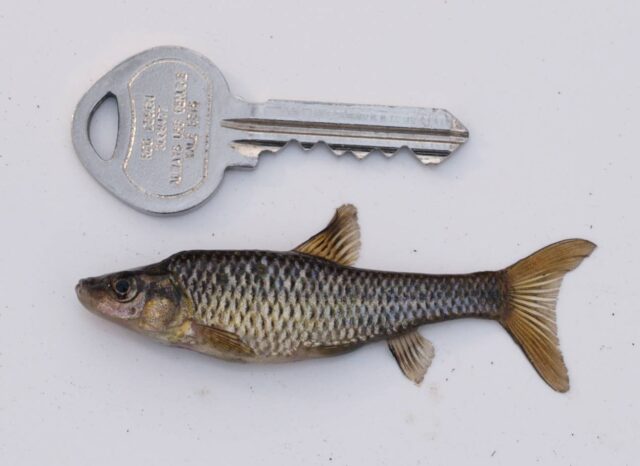
- a small fish (up to 9.7cm) that resembles the native gudgeon except in that its mouth is pointed upwards
- this species is known to have a breeding rate that is four-times faster than native fish
- poses risk of spreading disease and effective aquatic plant ecosystems
Chinese mitten crab (Eriocheir sinensis)
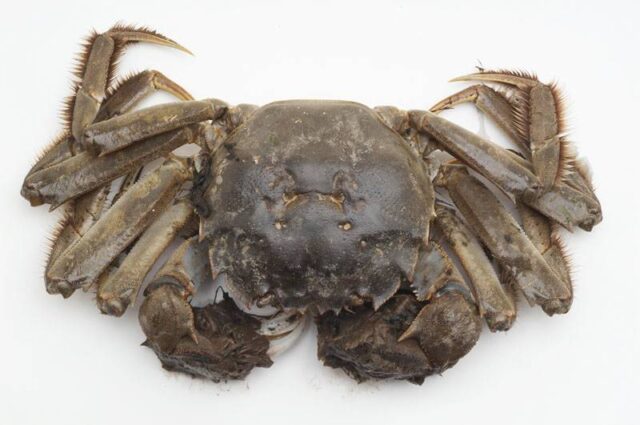
- only freshwater crab found on the island
- green, brown or grey in colour with white front white pincers, covered in hairs
- damage the riverbanks, increase risk of flooding by their burrowing nature
- compete with native fish and crayfish
Curly Waterweed (Lagarosiphon major)
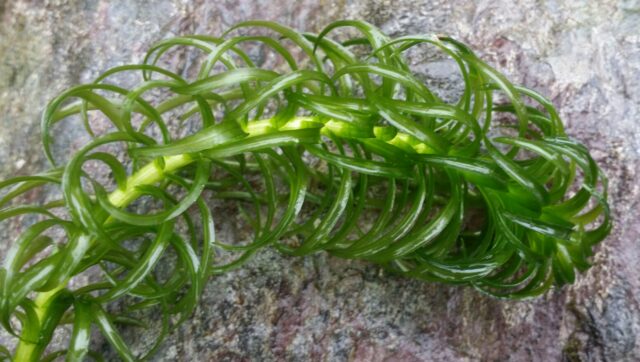
- submerged aquatic plant, anchored in the substrate. Their leaves are strongly curved and stems up to 3m long
- forms dense, thick mats, blocking sunlight and reducing oxygen in water bodies, choking waterways and killing native species
Zebra & Quagga Mussel (Dreissenid’s)

- Zebra: distinct ridging, triangular cross-section, lies flat when placed on front
- Quagga: no distinct ridging, rounded cross-section, rolls to side when placed on front
- powerful filter feeders, alter whole ecosystems, causing algal blooms

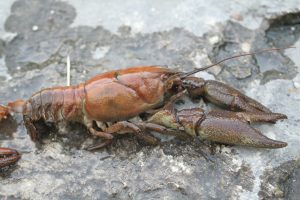
Crayfish Plague
Our native White-clawed Crayfish is an important part of our freshwater ecosystems and the island of Ireland holds some of the largest remaining populations in Europe. Crayfish plague is a deadly disease that can rapidly wipe out local populations and is easily spread on wet angling gear, nets, waders and boats. Follow the Check, Clean, Dry approach every time you move between waters. If you see White-clawed Crayfish that are dead or dying, please report them immediately. To find out more, visit https://invasives.ie/species-alerts/crayfish-plague-disease/
Further Infomation
Boaters, watercraft users and anglers have come together with public bodies to set out key actions to reduce the risk of introducing and spreading invasive species in Ireland. Two national Invasive Alien Species Pathway Action Plans addressing angling and recreational boating are available from-
Ireland: invasives.ie/pathways/pathway-action-plans/
Northern Ireland: invasivespeciesni.co.uk/pathway-action-plans/
Help spread the word! You can download a range of free guidance and awareness-raising materials for your club, local community and events.
Ireland: invasives.ie/resources/check-clean-dry-resources/
Northern Ireland: invasivespeciesireland.com/biosecurity-resources/
If you require high quality print ready versions of any of the materials, please email: invasives@biodiversityireland.ie