Dan O’Neill has been in touch again with a another detailed update on the River Nore, flyfishing tactics, fly patterns and much more…
River Nore trout fishing
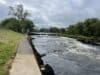
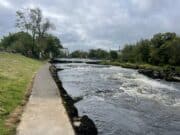
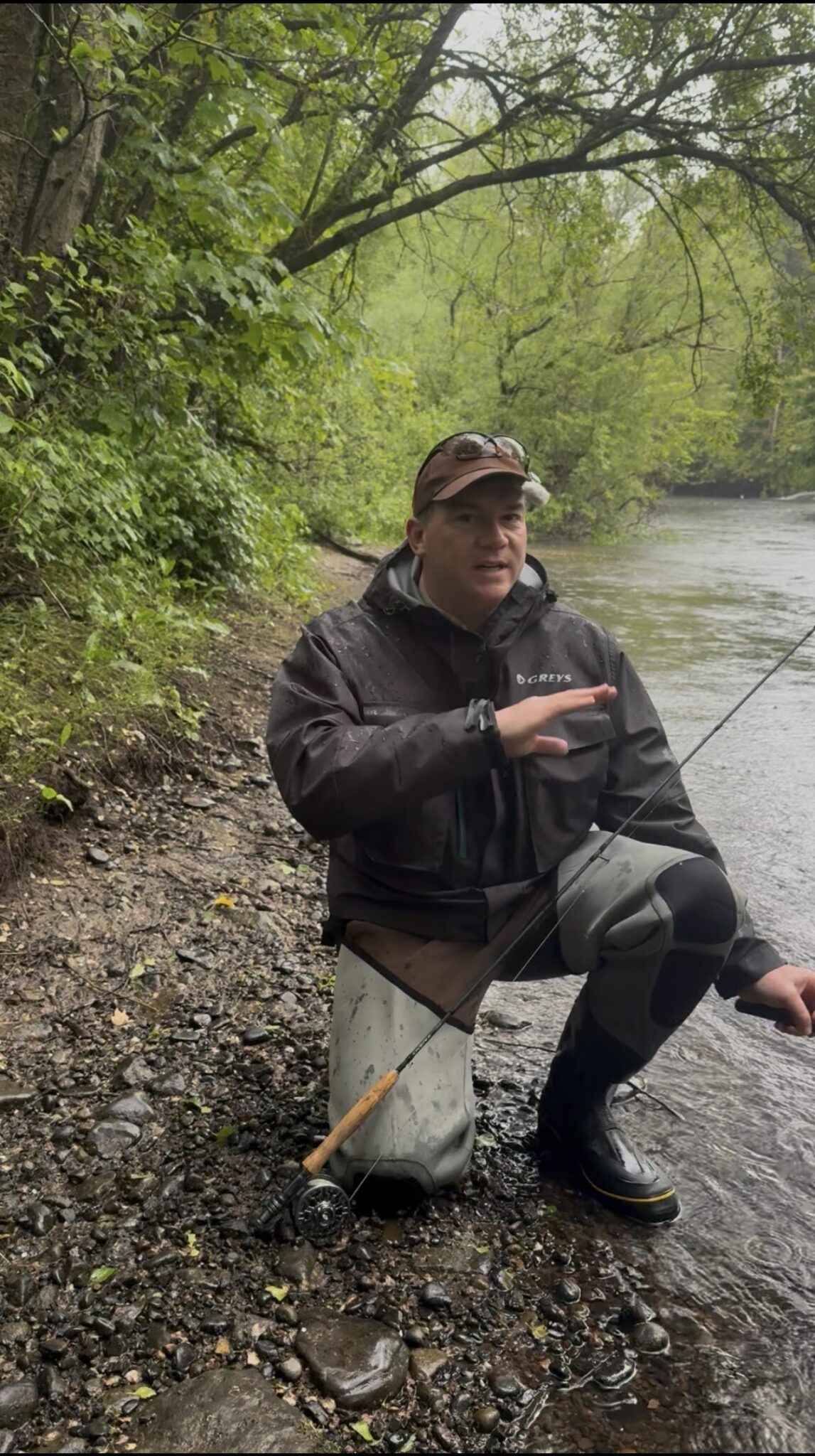
Things seemed to have picked up a bit, the water has dropped under .30, in fact it’s about .27, all runs and glides are now in full view. Fish are becoming a little more wary, yet feeding a little more actively day by day. I fished the Nore over the weekend in an area I don’t usually fish. A narrow little section with many little streams entering the river, a very enclosed stretch which made it even more exciting than normal.
How do I approach an area that’s new to me?
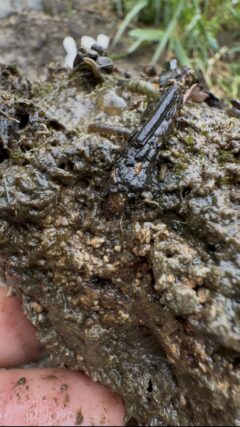
When approaching a new area, I prepare for the spookiest trout that I ever encountered, I approach them with extreme caution, fish close and quietly. Of course, before I do any of the above, I closely look at the water and use my ever-growing rivercraft knowledge. What’s hatching, what lies beneath the rocks on the riverbed, I familiarise myself with the area and the water, adding to my database.
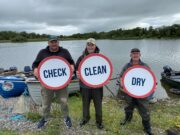
I like to use the coated Cadence nymphing line for my dry fly fishing, it suits the area where I fish perfectly as most of my casts are maximum 30ft. Speaking about lines, it’s very important to keep the lines clean. I treat the lines I use for dry fly fishing quite regularly and have written some blogs on it. The difference it makes is unbelievable and it can be overlooked at times. I heard an angler once say, “Fishing is made up of a lot of small things done well”.
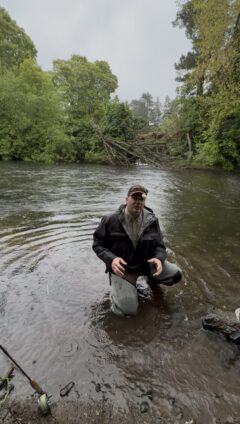
Moving onto leaders now, I do like to use a leader about 10ft and sometimes more, it depends on the river really and the space I have, sometimes it’s very hard to use a longer leader in an overgrown area. It’s why I use the coated nymphing line quite a lot, the landing of this thin diameter line makes little disturbance on the water so gives me a little leeway with shorter leaders, the thinner diameter also doesn’t catch as much surface current. In saying all this, I have seen many anglers on rivers using the total opposite of what I have said above and they still catch fish. It boils down to finding what is comfortable for you and gives you the success rate that you’re looking for, some people are happy with a couple of trout whereas some like to catch every trout in the run, fishing needs to be enjoyable to you and for you, find your balance and go have some fun.
For live streams and fishing content please follow me on my socials:
Facebook – https://www.facebook.com/share/1RDD9oHGmX/?mibextid=wwXIfr
Instagram – https://www.instagram.com/troutfishingireland?igsh=dDFraDh5M3E3ZjVq&utm_source=qr
Tik Tok – https://www.tiktok.com/@trout.fishing.ire?_r=1&_t=ZN-96LwEhHtv78
Ladies’ introduction to fly fishing days
Very happy to be assisting Maddy Kelly with the ladies’ introductory days to fly fishing. We have a wonderful venue in Southern County fishing resort, this is where the first day will take place and it’s on the 13th of June at 11am. All inquiries to Maddy Kelly at prowomenanglersireland@gmail.com, a great opportunity to learn more and carve a path into the wonderful angling world.
Matchin what’s Hatchin
Matthew Cooper again speaks about a wonderful pattern to help us with matchin what’s hatchin…
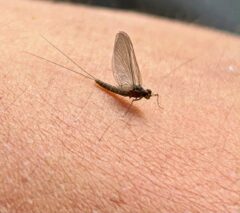
I spotted this Large Dark Olive clinging to a wall, To most people it was just another bug, but to me it was a sign that I was missing some cracking dry fly fishing though all was not lost, I knew the evening time would still produce a great bit of sport fishing spinners for confident trout.
The Large Dark Olive (LDO) is an important fly in a trout’s diet, When the spinners return to the water to lay eggs, trout can become completely locked onto them. They’re slow and sometimes stuck on the surface and unlikely to fly away.
One of my favourite patterns for this is the Snowshoe Olive Spinner. It’s simple to tie, sits nicely in the film, and the snowshoe wing keeps it floating well even in rough water.
Materials
* Hook: Dry fly hook, size 14–18
* Thread: Tan or olive 8/0
* Tail: 4–5 olive cock hackle fibres (trout can’t count!)
* Body: Dyed olive turkey quill
* Wing: Natural snowshoe hare
* Thorax: Electric olive dubbing
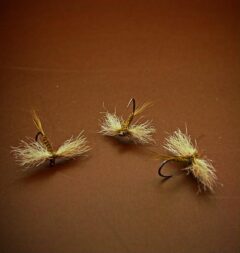
This is a pattern I always keep plenty of in my fly box. If you chance an hour or two on the river during an evening spinner fall, having a few of these can make all the difference.
I like to fish these as a single fly, I typically stay on the bank if I can as to not disturb the water but getting in is sometimes the only way. I would get in and get in a position to cast to where I want and let the river settle for a few minutes. I usually take this time to get my gear in order and ready to fish or spend a few minutes looking at bugs and insects on the water. The local river I fish (river Bann) I can get away with using my favourite river fly rod – my trusty 7ft 3wt. This rod allows me to get into spots a longer rod wouldn’t allow. Fullers earth is applied to the tippet and a small amount of silicone gel flotant is rubbed through the wing of the fly. I cast a few feet upstream of where I believe the fish are and let the current bring it to the fish at the same speed as the debris (leaves etc.) on the water surface. If you have any drag on your fly the fish will avoid it!
The rest is up to the fish to decide if you’ve done a good job tying the fly or not! I will link a video to tying the fly hopefully this helps put some fish in the net!
Tight Lines,
Matthew Cooper Fly Tying
Instagram: @matthew_cooper_flies