
Dan O’Neill shares another excellent fly fishing update…
Matching what’s hatching
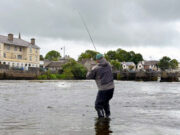
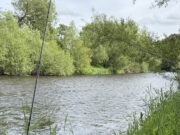
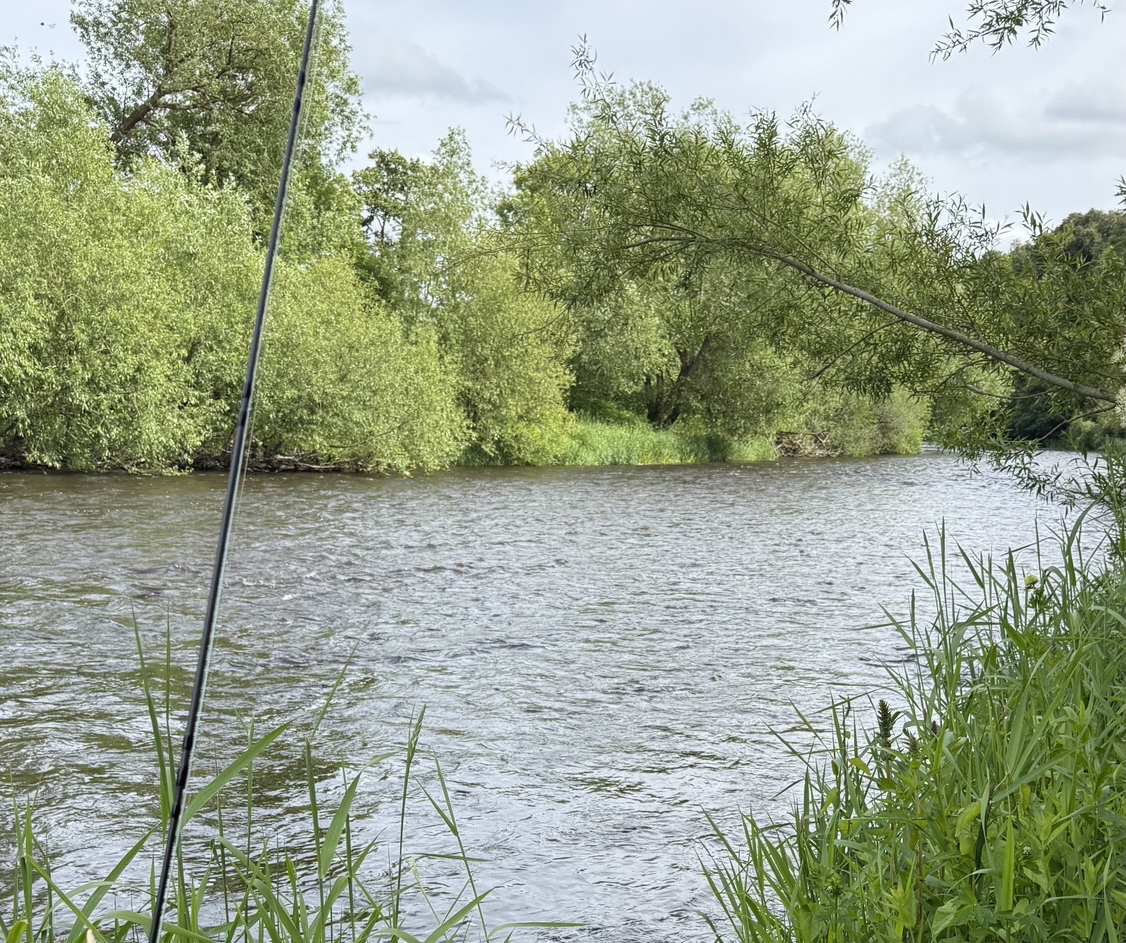
Little bit mixed over the past few days, had good numbers of trout, we had some heavy rain and the Nore went up about 50cm overnight but dropped back quite quickly. A colour stayed when the water and it fished best when the water resembled weak tea.
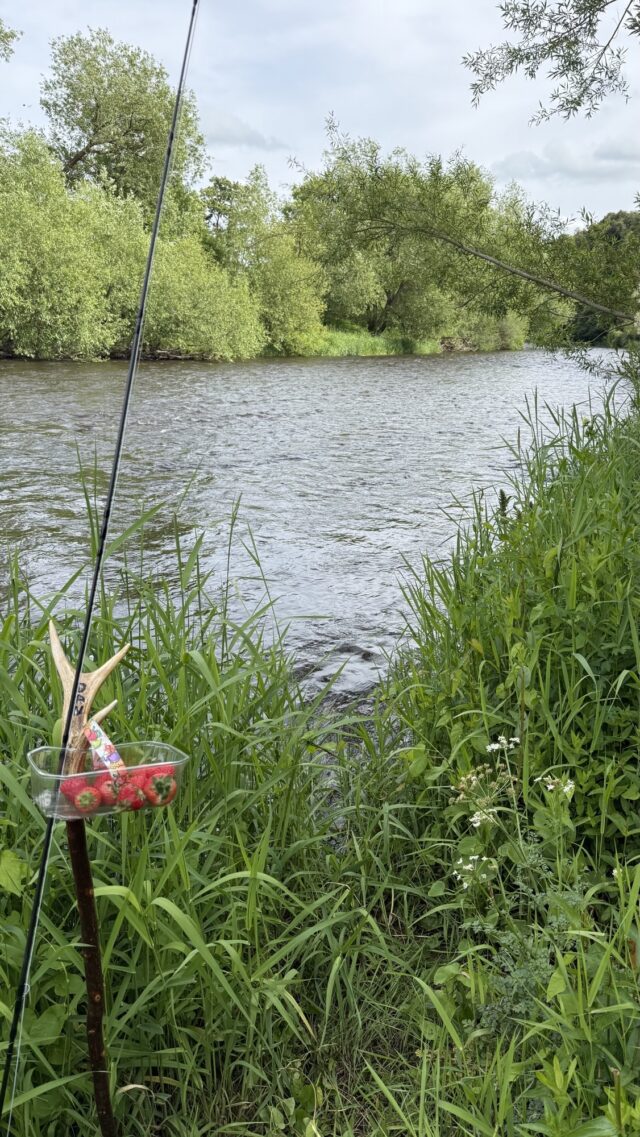
I fished streamers, woolly buggers and 3mm nymphs of various patterns. The odd fish came to the surface but very seldom and when they did it was on the flat slower water. Air temps have dropped a little and I found that the water temperature peak time changed about a bit too due to the level increase and cooler air temps. When we get increased levels like this i find the fish to move into different areas of the river, more sheltered areas as you would expect. Streamers during heavier water and darker water can be a great way to target bigger trout.
Over the past couple of days, the transition of the water colour from tea to near gin has made fly selection interesting. Fish have been chopping and changing quite often. A Frenchie seems to work quite well then a couple of wildcards i tied up in the shed one evening.
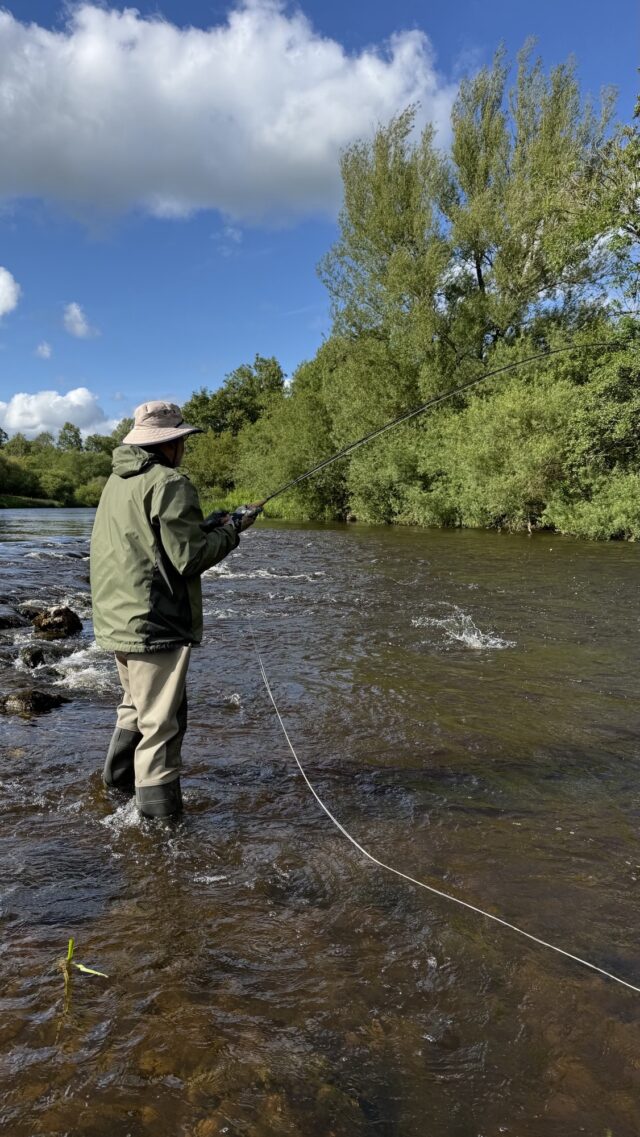
My tutorial videos seem to be helping beginners and thanks to everyone who sent me messages. We are on the 3rd batch of videos now and will soon be tuning into casts and techniques for fishing different methods. Catch them on one of my social platforms, links below.
My second set of tutorial videos is now being released. Delighted with the feedback so far; it seems to be helping some of the beginners.
Check out the videos here on Facebook, Instagram and TikTok.
Matthew Cooper from the Kindale pro team has been busy tying again so let’s take a look at what he’s been up to,
Matchin’ What’s Hatchin’ – The Partridge & Orange
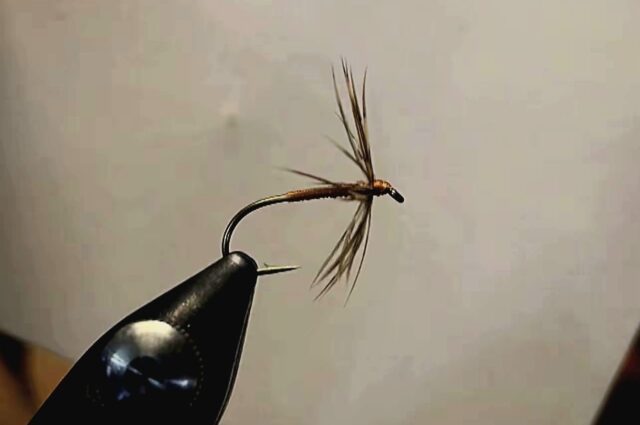
This week I’ll be covering the Partridge & Orange, a fly that’s been around for years and still catches plenty of trout. It’s one of the easiest flies you’ll ever tie!
This is the first fly I ever tied while being filmed, I chose this pattern for its simplicity and speed to tie as well as how effective it can be. Ill link the video below.
I mainly fish these when trout are feeding just under the surface. Sometimes you can see fish moving up high in the water but completely ignoring a dry fly and that’s where a lightly dressed spider pattern can really work well.
My favourite way to fish them is on a light tippet cast upstream and allowed the fly to drift . Once the fly comes below you just let it swing round in the current before lifting into the next cast. A lot of takes come right at the end as you start to lift the fly out so don’t be too quick to recast this technique is called hanging your flies.
These flies work well throughout the year but i tend to tie one on when olives are hatching. The soft partridge fibres give a lot of movement
Materials List
Hook – Size 12 – 16 wet fly hook
Thread – Orange thread or silk
Hackle – a well marked partridge feather
That’s all there is
I see a lot of flies posted online with far too much partridge when tying these but one or two turns is usually enough. As the saying goes less is more.
I always keep a few of these in my fly box as they’re quick to tie and a proven fish catcher. They might not look like much sitting in the vice but they really come alive in the water.
If you’ve never tried fishing traditional spider patterns before, tie a few of these up and give them a go. You might be surprised how effective something so simple can be.
Catch Matthew on some of his videos on his platforms here:
Youtube, Facebook , Instagram , Kindale fly fishing

Go Fishing…