

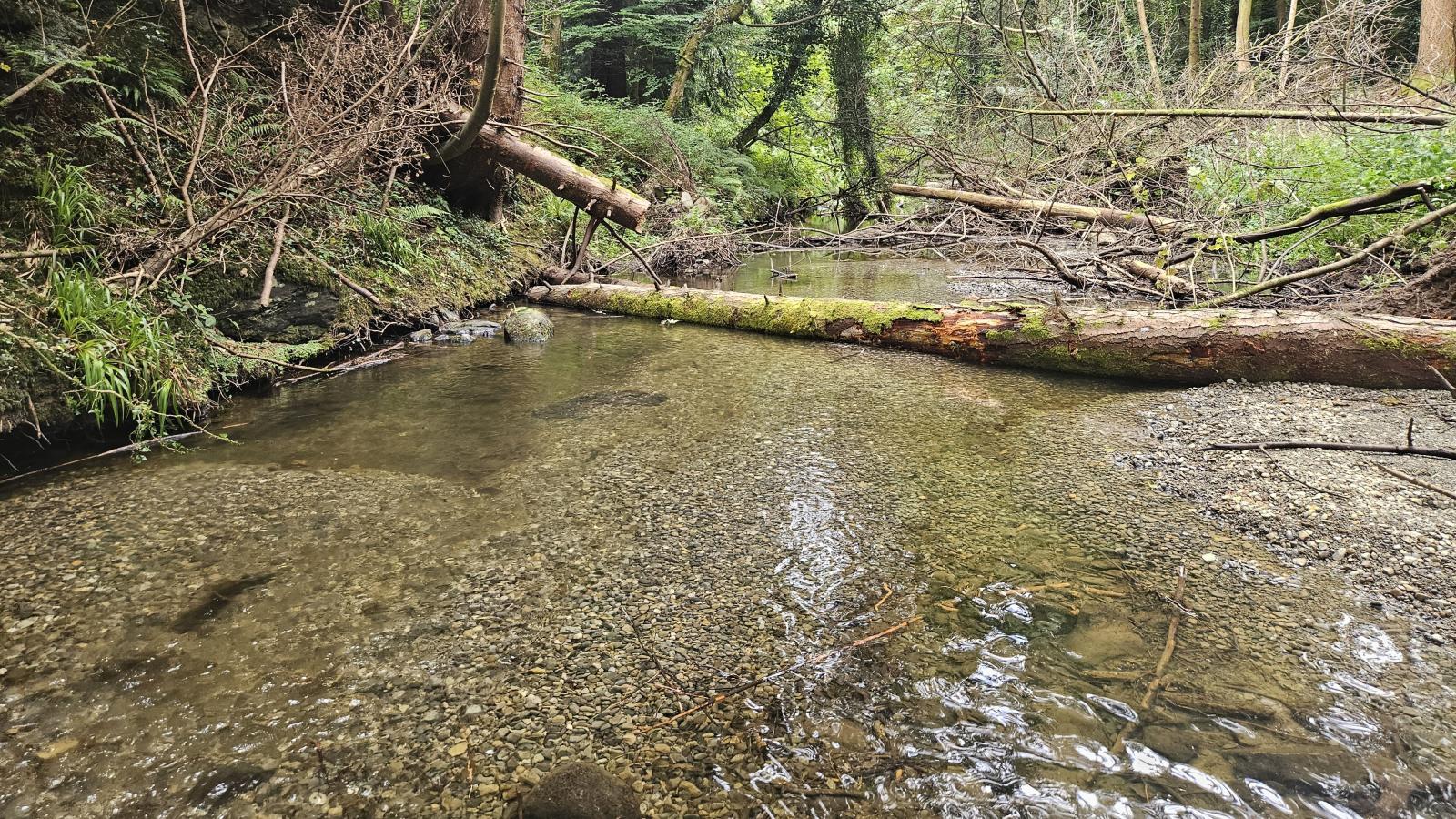
The reintroduction of natural wood, such as tree trunks and branches, is being increasingly used in river restoration projects to kick-start more natural river processes and help rivers to regain a more natural form. In Ireland, however, there are few such projects and little collected evidence documenting the assumed biodiversity gains of this type of work.
To close this knowledge gap, Inland Fisheries Ireland, in partnership with University College Dublin, are developing the Riverwood Project to evaluate the functional relationships between riparian zones and large woody debris in rivers; in effect, to study the impact that woody debris has on reshaping riverbanks and river channels to more natural forms.
There is a misconception among anglers that any woody structure in rivers should be removed to improve upstream access for salmonid species, particularly adult salmon; however, if water can pass downstream of these structures, fish will inevitably be able to find a way upstream past them.
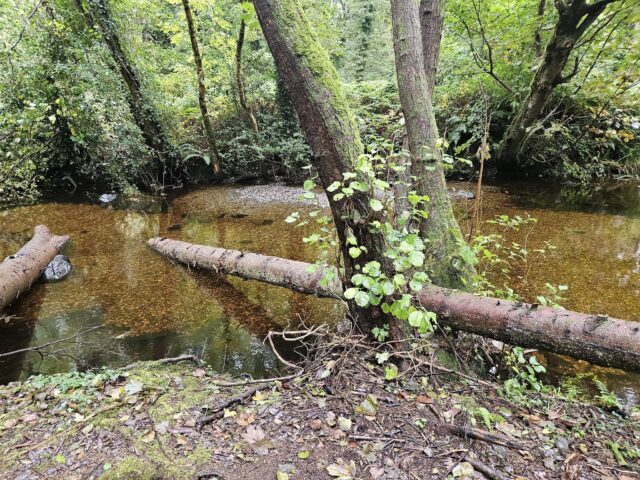
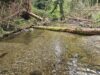
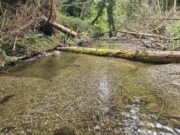
Obviously, where large pieces of wood are impacting structures, like bridges, there may need to be intervention. However, where wood has fallen naturally into a river channel and lodged in place, it will help to create pools and riffles, deflect the water’s direction, provide cover and refuge for fish from predators and help to recruit spawning gravels for salmonid species – so anglers should leave those where they lie.
Large wood also provides crucial benefits to river ecosystems by creating complex habitats for the plants and animals who inhabit them, by acting as a food source for invertebrates, by stabilising riverbanks and riverbeds and by serving as perches for birdlife along rivers.
The RiverWood project aims to quantify the role of large wood in the provision of complex habitat and other instream services and to provide evidence for the protection and restoration of rivers in Ireland. This project is funded by the Environmental Protection Agency Research Programme 2021–2030.
The core objectives of RiverWood are:
- To capture the current state of knowledge on riparian zone and large wood functional relationships
- To synthesise information and drivers for existing large wood management strategies in Irish rivers
- To assess the efficacy (biological response, cost & sustainability) of large woody debris augmentation as a protect and restore tool for key species, habitats and their ecosystem services
- To synthesise information and drivers for existing large wood management strategies in Irish rivers
- To produce a guidance tool that will support future management of riparian zones and large woody debris in Irish rivers
For more information see https://www.fisheriesireland.ie/research/riverwood and watch the video below: