
Lough Sheelin Angling report, May 12th to May 18th 2025
‘If I told you this was only gonna hurt
If I warned you that the fire’s gonna burn
Would you walk in? Would you let me do it first?
Do it all in the name of love’
Bebe Rexha
This was another daunting and uncomfortable angling week on Lough Sheelin as daytime temperatures soared into the mid-twenties, water temperatures climbed over 18 degrees and lake levels shrank a little bit more, revealing a distinctive bleached hemline around the lough.
The meteorologists are telling us that this settled hot spell of weather is all down to what they are calling “an Omega block” which is a type of high-pressure system that becomes stationary and blocks the normal west-to-east movement of weather systems producing a prolonged period of hot weather which is what we are experiencing now.
The late and great Sheelin angler, John Murphy always linked the peak of the May or whitethorn blossom to the peak of the Mayfly season. The May blossom now lies heavily on the bushes and hedgerows, a luxurious blanket of scented white and pink flowers draped over the whitethorns around Lough Sheelin. We are only in mid-May and historically this is still early for the Mayfly on Lough Sheelin which traditionally happens in late May to mid-June. Of course, with climate change affecting weather patterns nothing can be assured, and it seems everything is early with this unseasonal and premature hot weather.
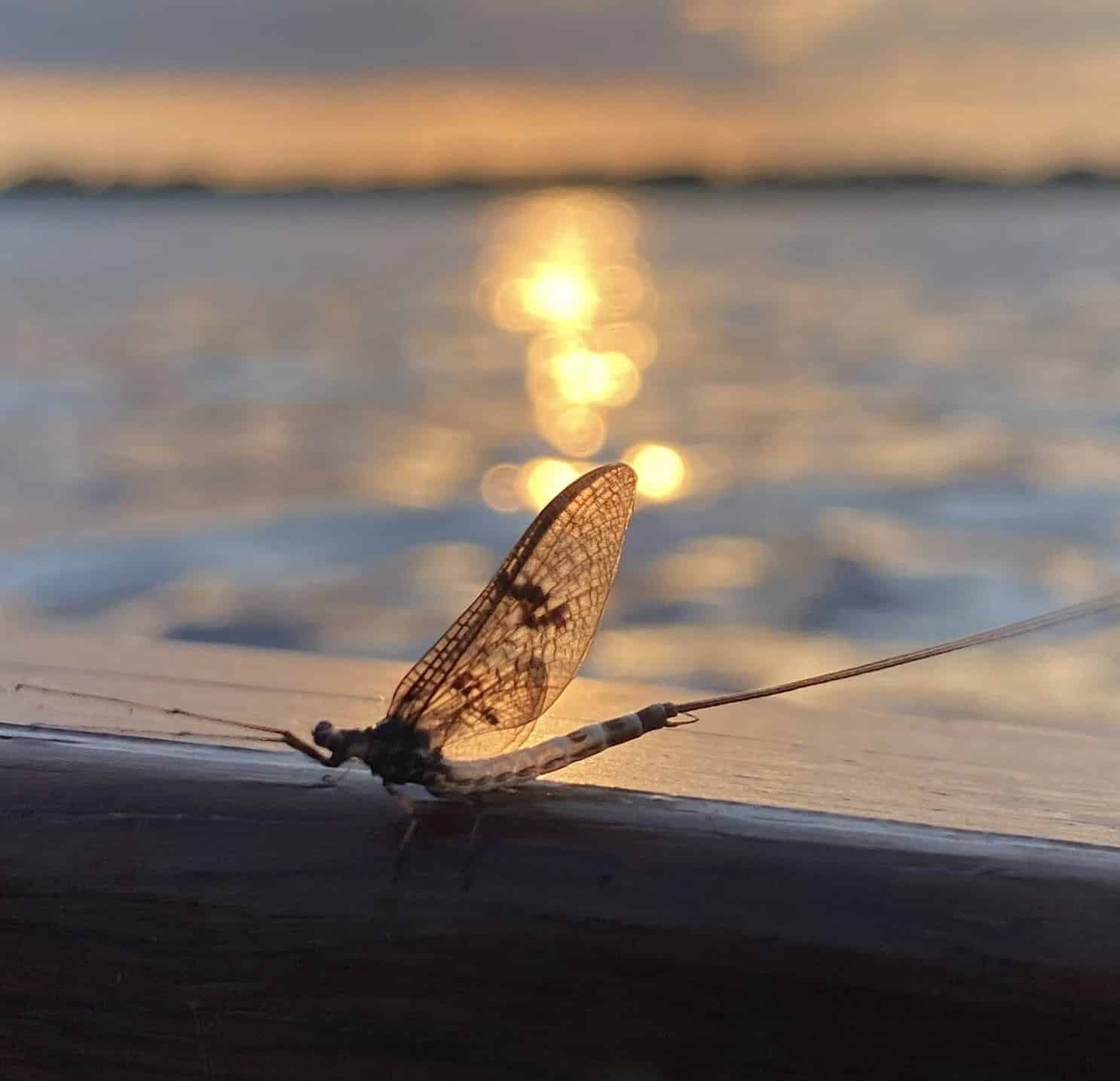
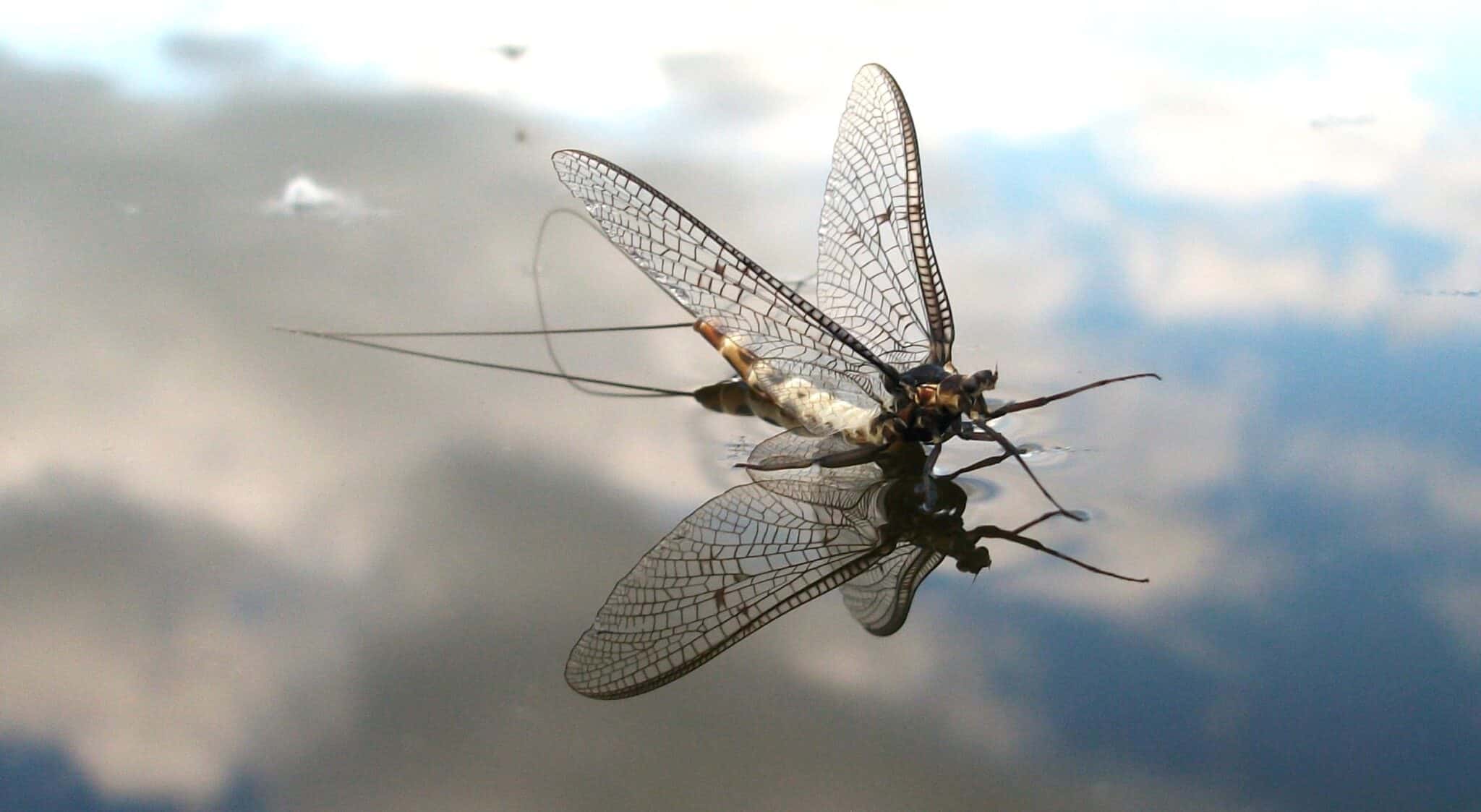
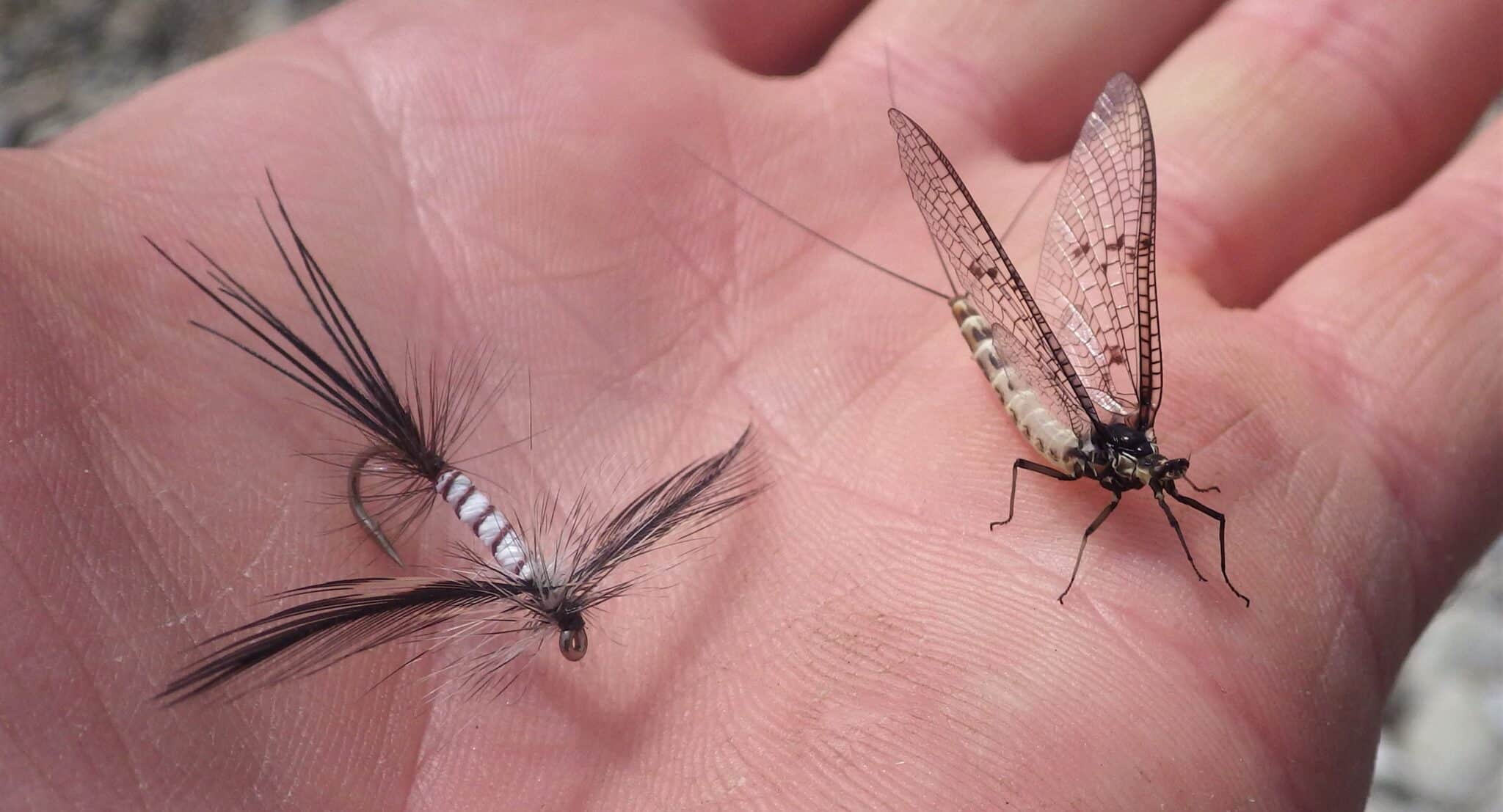
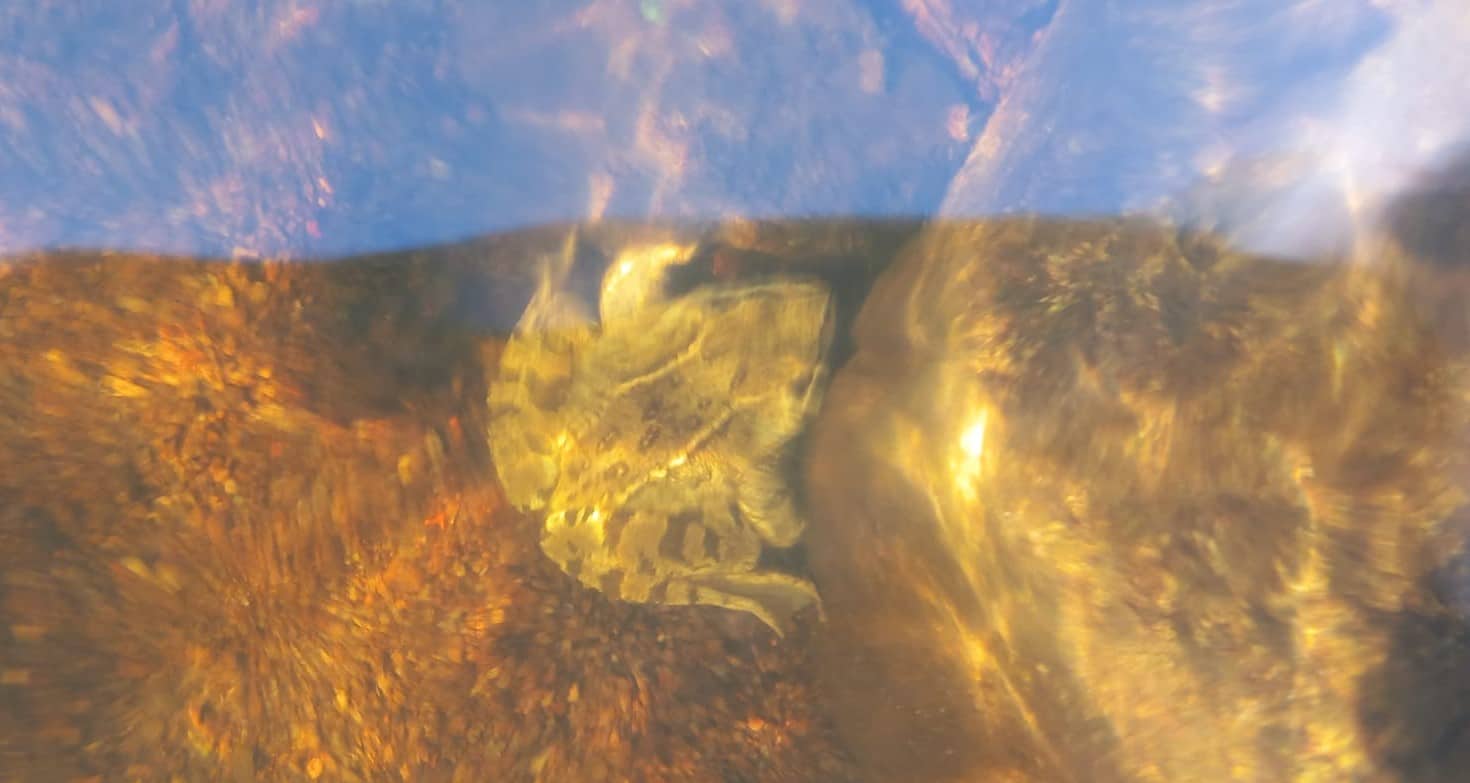
Ephemeroptera or the Mayfly – a delicate aquatic insect that has the ability alone to stir the blood in all trout anglers, triggering them to forgo the mundane to make that yearly pilgrimage to Ireland’s great limestone lakes of which Lough Sheelin is one. The Mayfly nymph (aquatic stage) can last from several months to a few years depending on the species, matures and emerges from the water and transforms into subimago (also known as duns) sporting a dull appearance and often resting on vegetation before a further transformation. The adult (Imago stage) is where after shedding their skin again, the subimago becomes adult mayflies (spinners). This stage is short-lived typically lasting a day or two, during which they mate and lay their eggs and die on the surface of the lake. Because Mayflies are a crucial food source for trout, they are a key component of fly fishing. It is important that anglers understand Mayfly behaviour and their lifecycle in order to predict and capitalize on hatches so imitations of Mayfly nymphs, emergers, spinners and spents all make up necessary components in the fly box. Mayflies are known for their synchronized emergencies, which can create spectacular hatches and make them a pivotal food source both for the trout and other aquatic life.
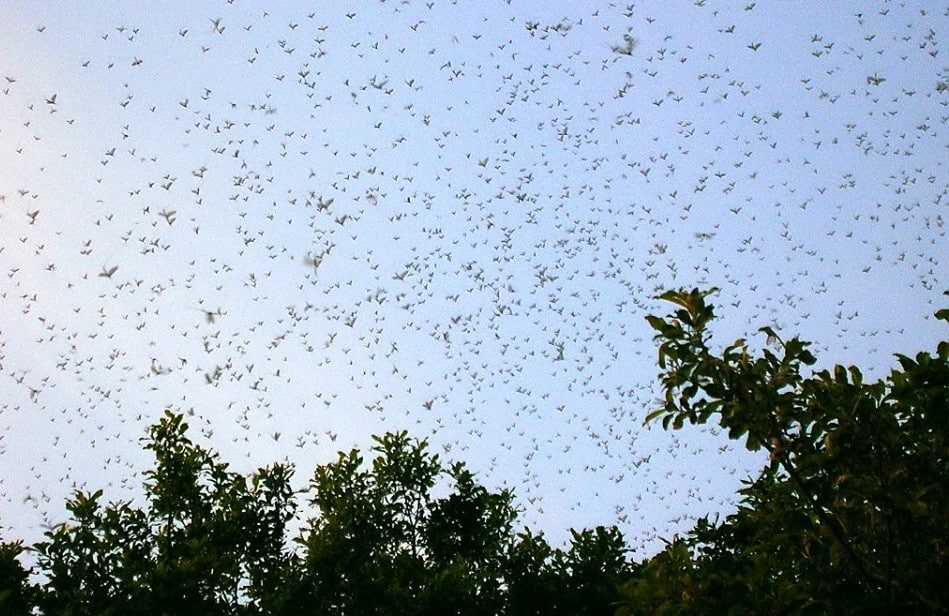
There have been enormous and spectacular hatches of Mayfly on Lough Sheelin over the past week, their vast emergences akin to an extract from Alfred Hitchcock’s 1963 film ‘The Birds’. This year seems to be a particularly good year, but this may have something to do with the hot spell of weather we are experiencing. We should be eternally grateful for the presence of this majestic and magical little fly because it is a great indicator of a healthy aquatic ecosystem and most importantly of good water quality.
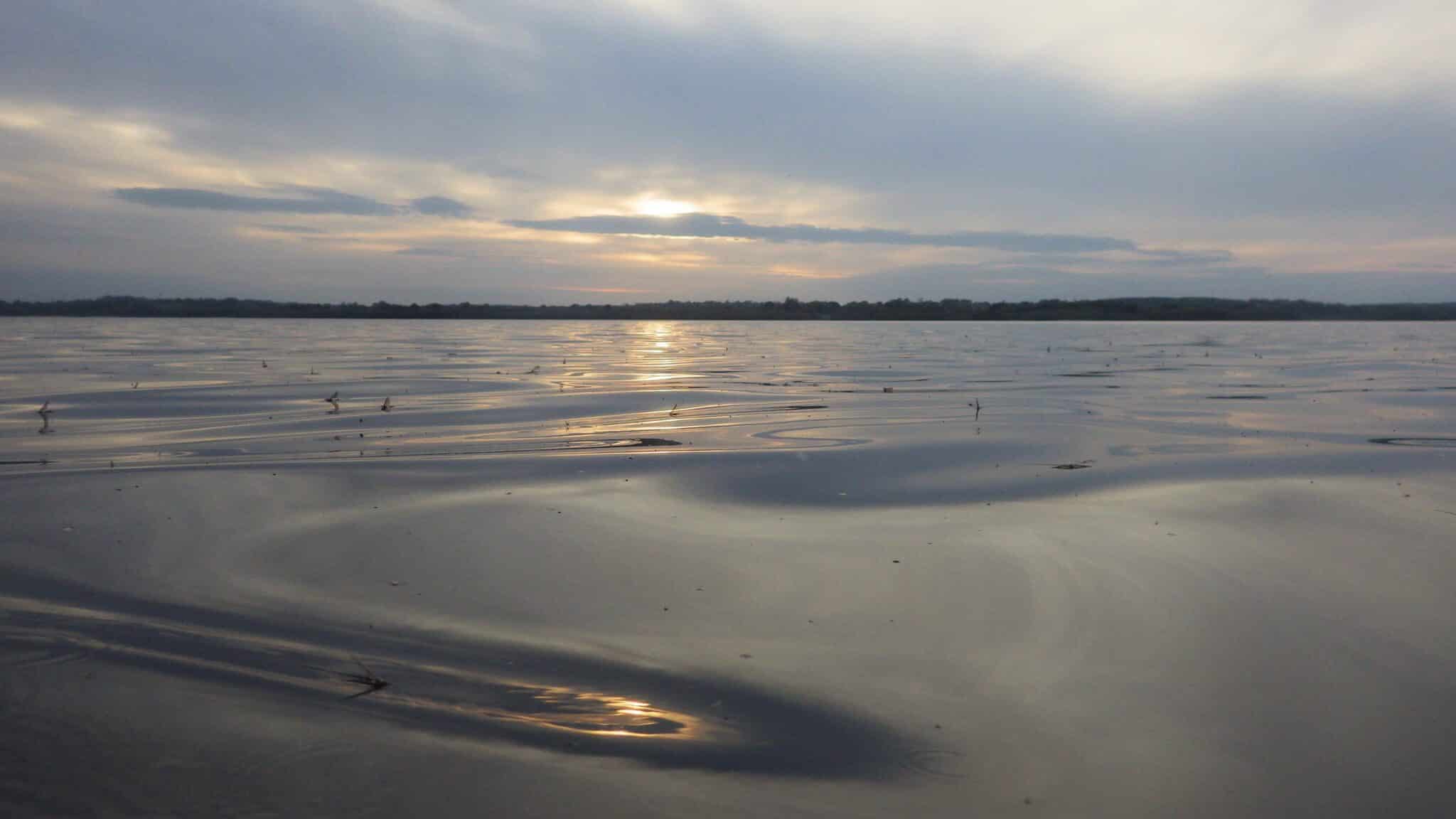
This hot weather coupled with a persistent easterly to variable wind crippled the start of the Mayfly season here. Morale was low, with many anglers blanking – no takes and only sunburn to show for a hard days fishing. Angling numbers were high each day on the lake predictably due to the fact that this is the most coveted time of the trout fishing season. Disappointment and frustration was high on the agenda as anglers repeatedly reported no rise of fish and all daytime successes were down to nymph fishing which many if not all anglers eventually resorted to. The fall of spent as the heat of the day gave way to the cool of the evening produced a mesmerizing pattern of drifts of silken crumpled spent wings covering the water’s surface. Anglers reported trout rising sporadically to surface feed but showing little or no interest in the artificial. It seemed at times that the entire lake’s surface had been painted with brushstrokes of brown and grey, a golden dust of aquatic lacework covering the surface of the lough as the Mayflies lay in the last throes of life, their job done.

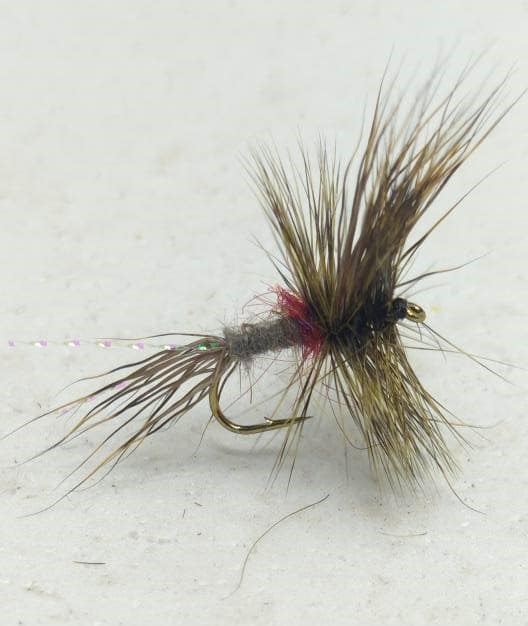
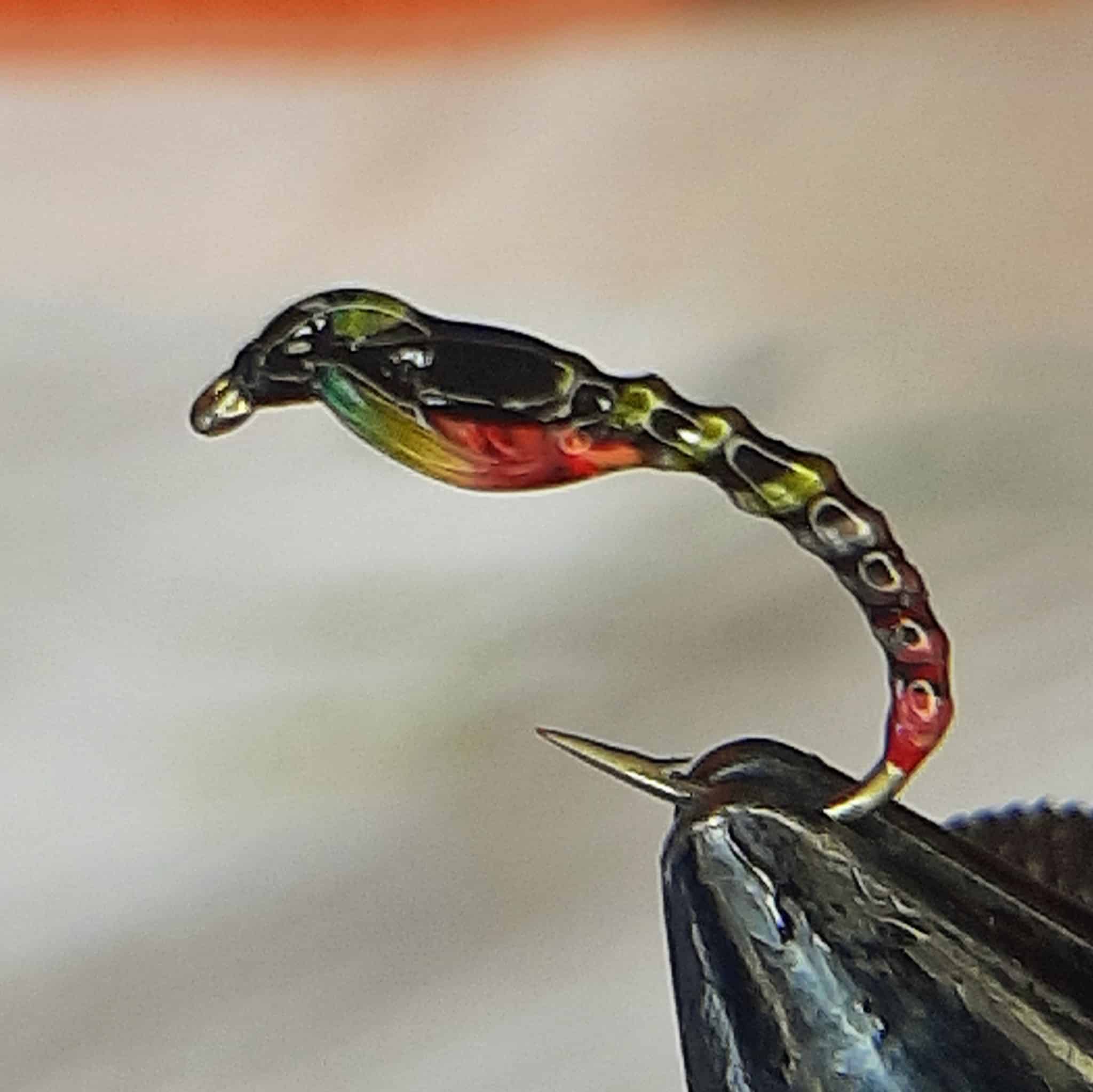
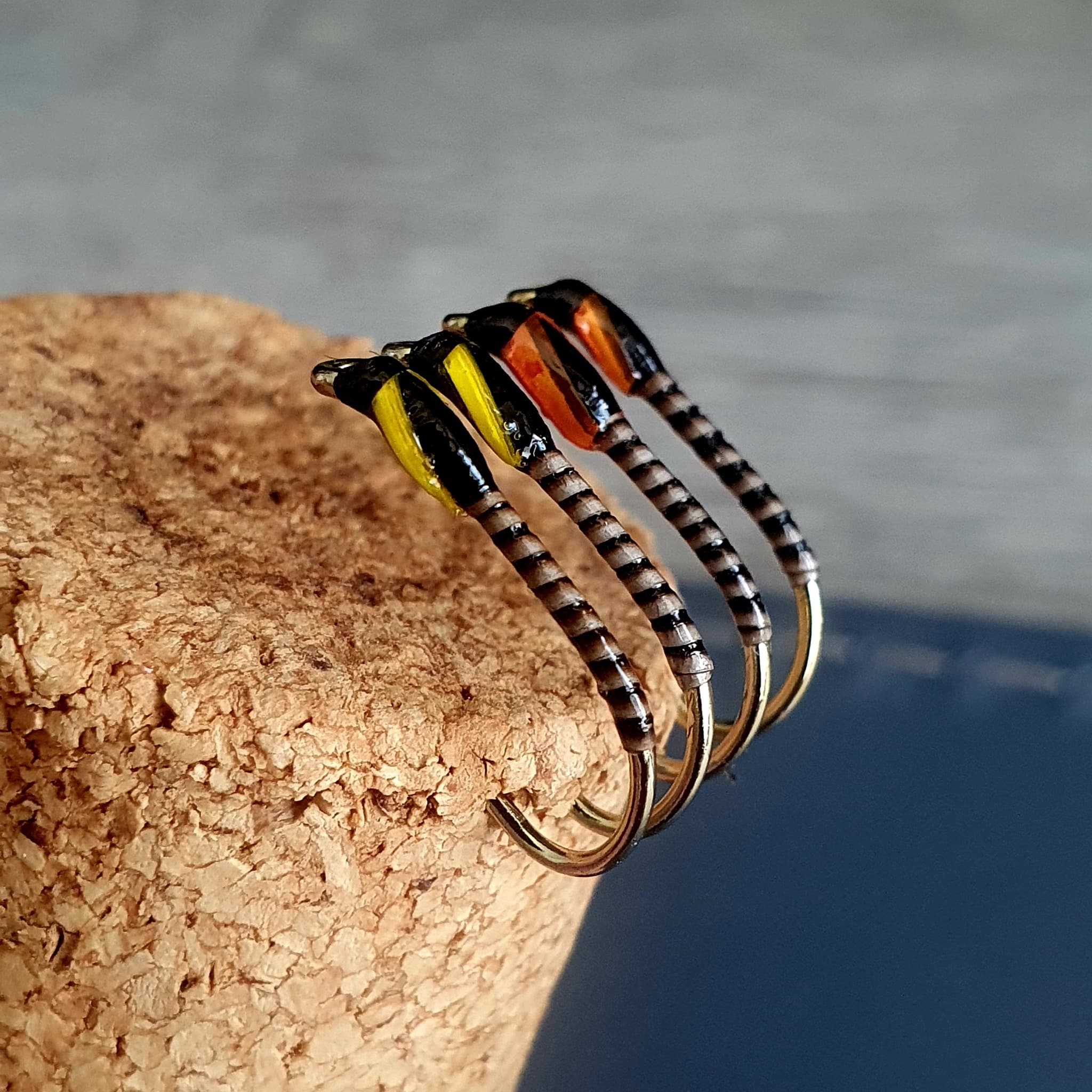
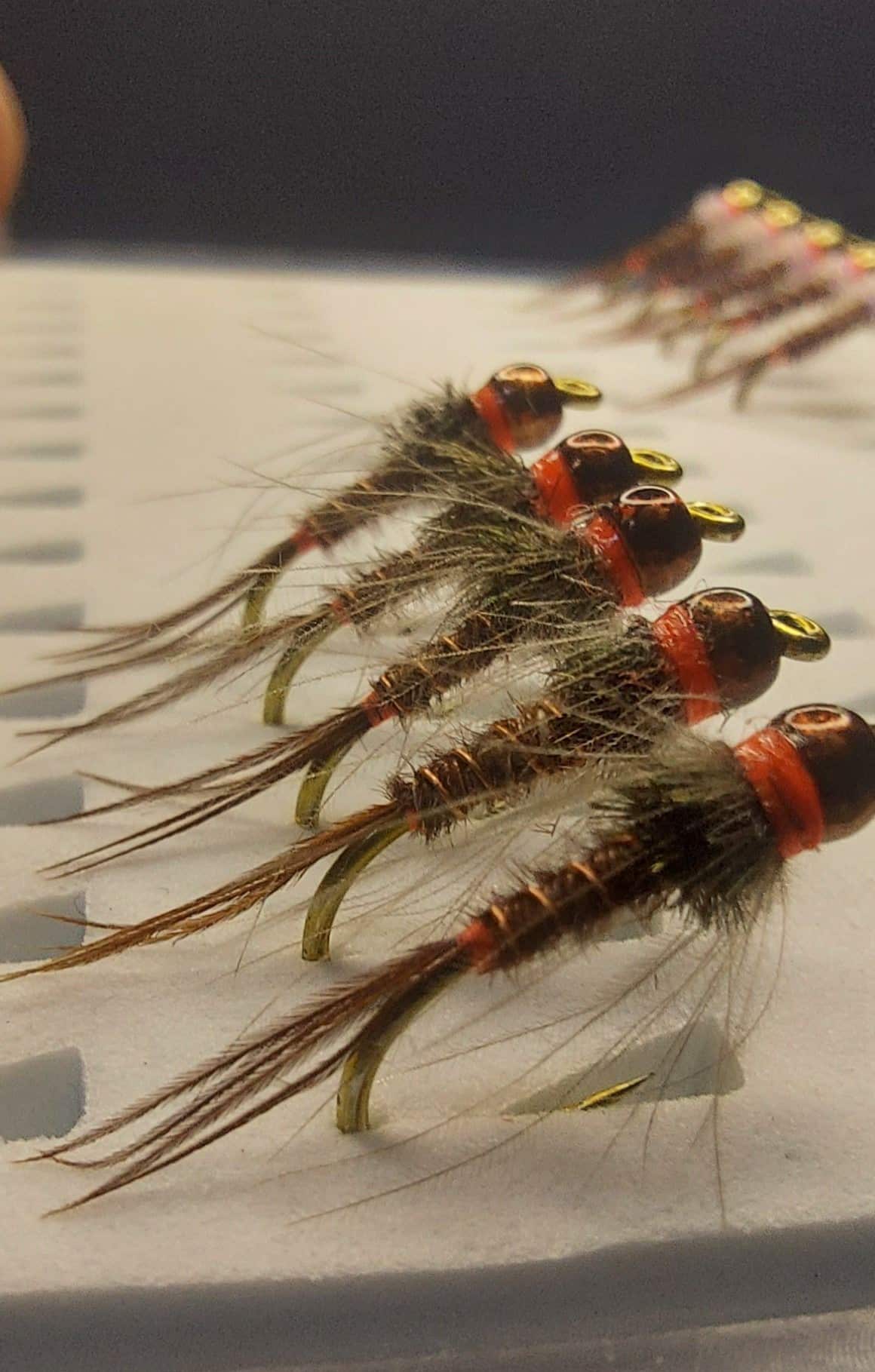
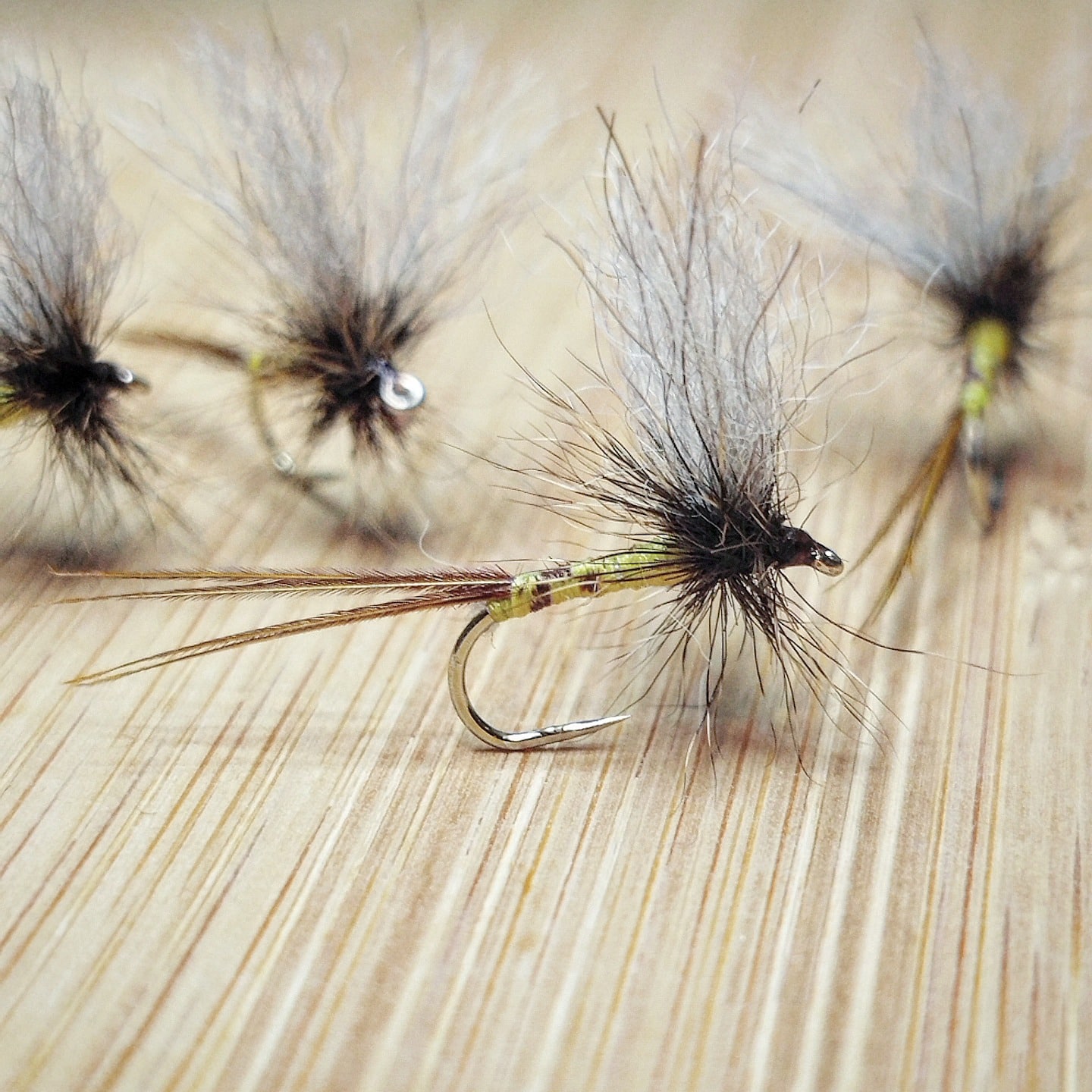
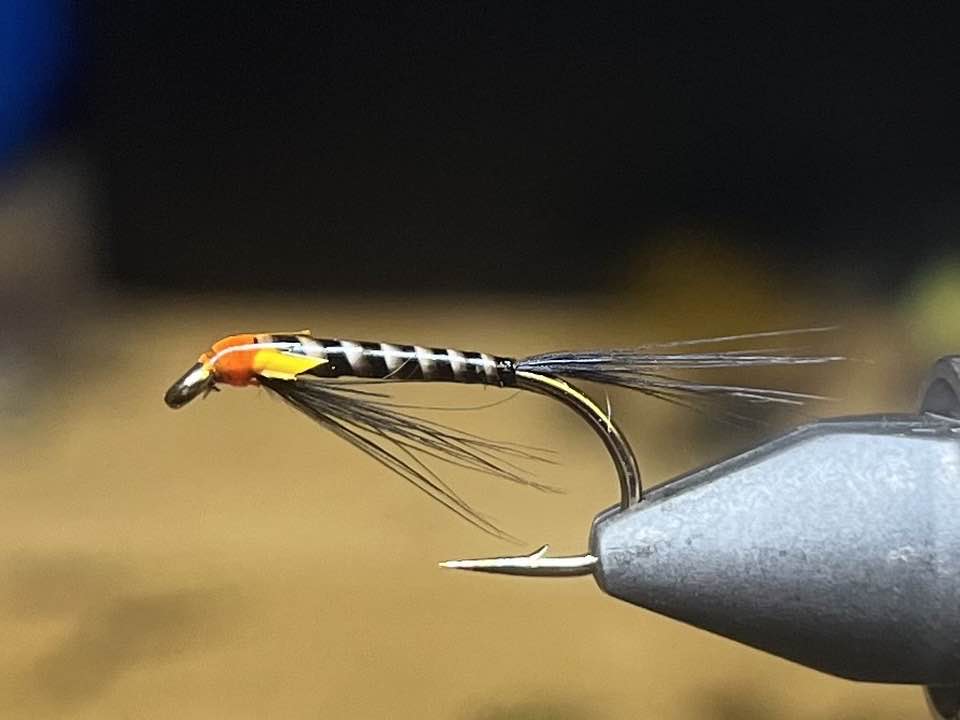
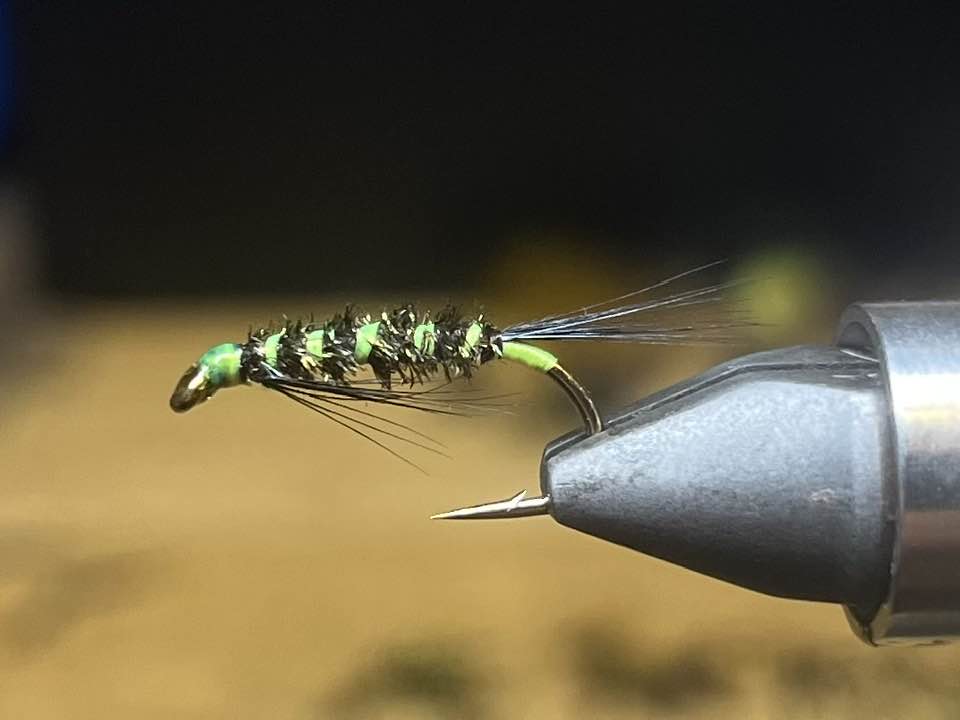
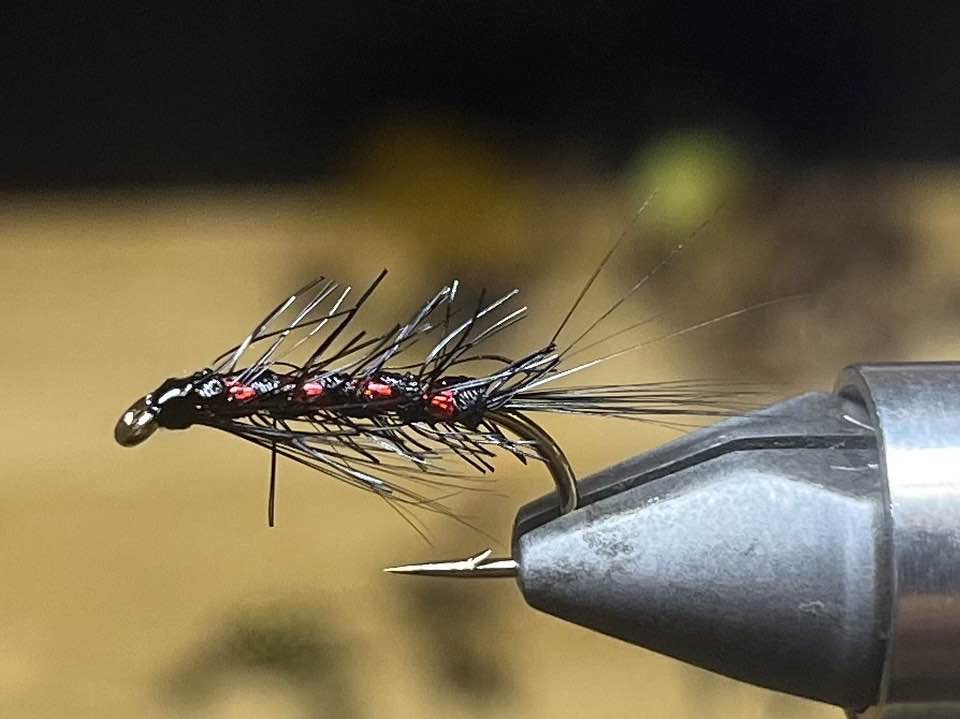
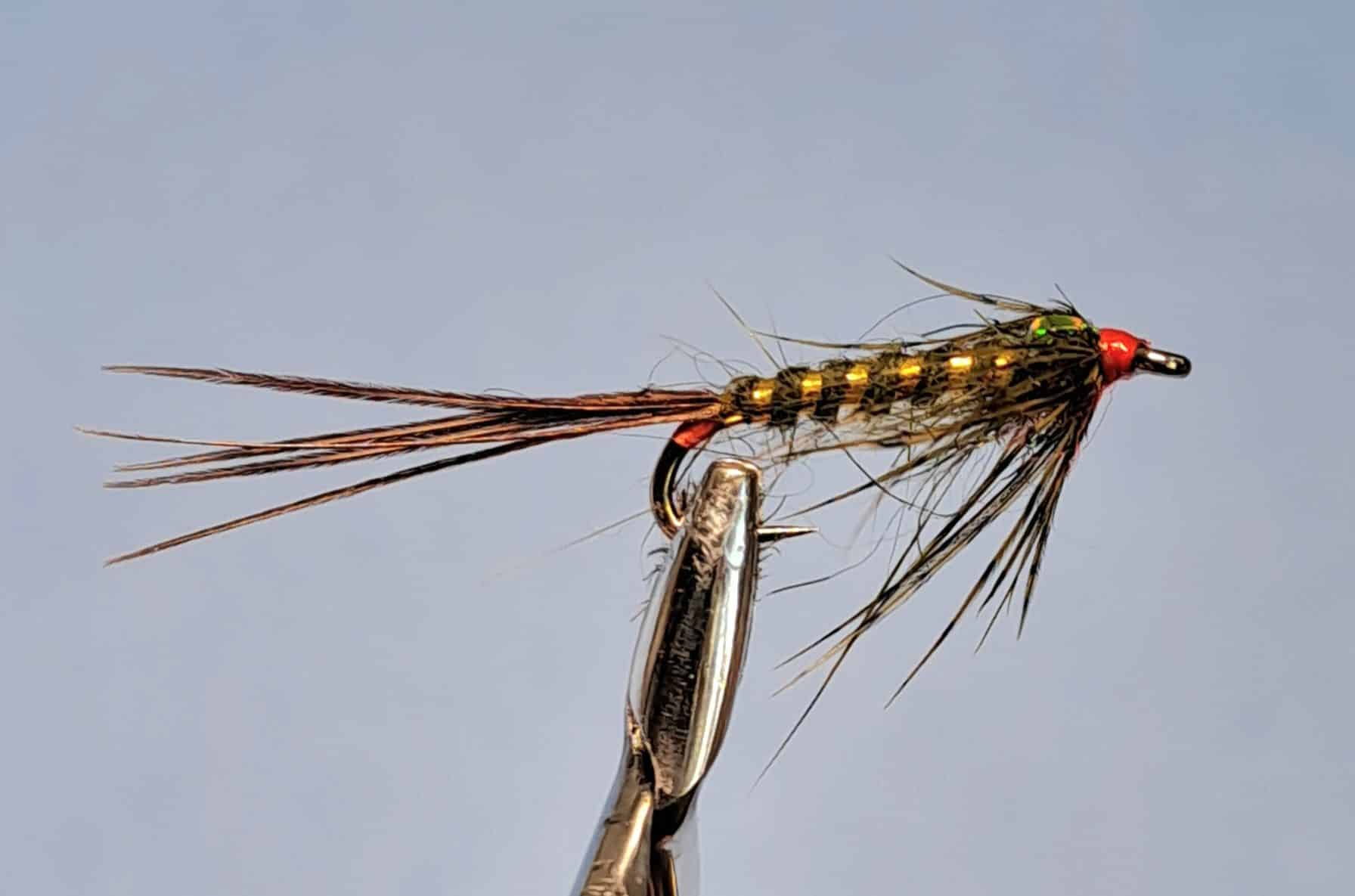
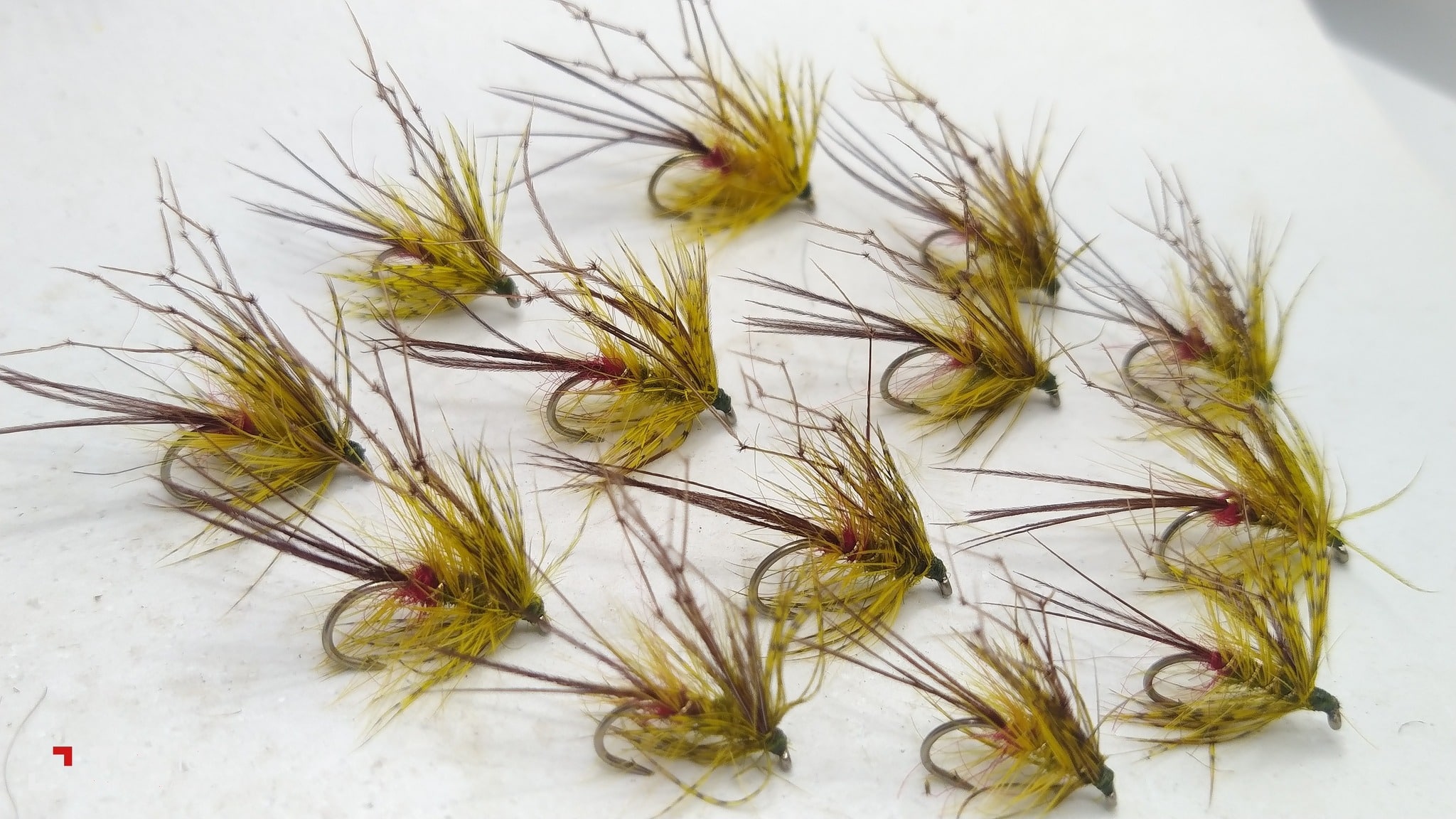
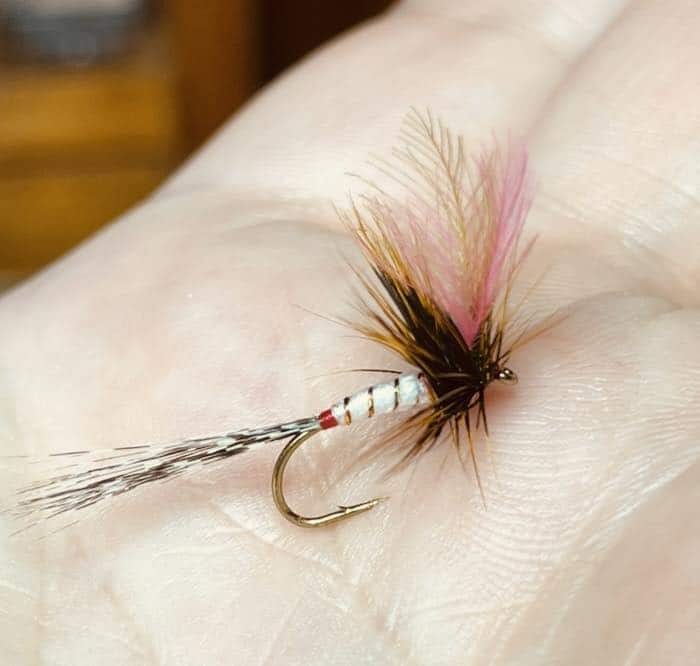
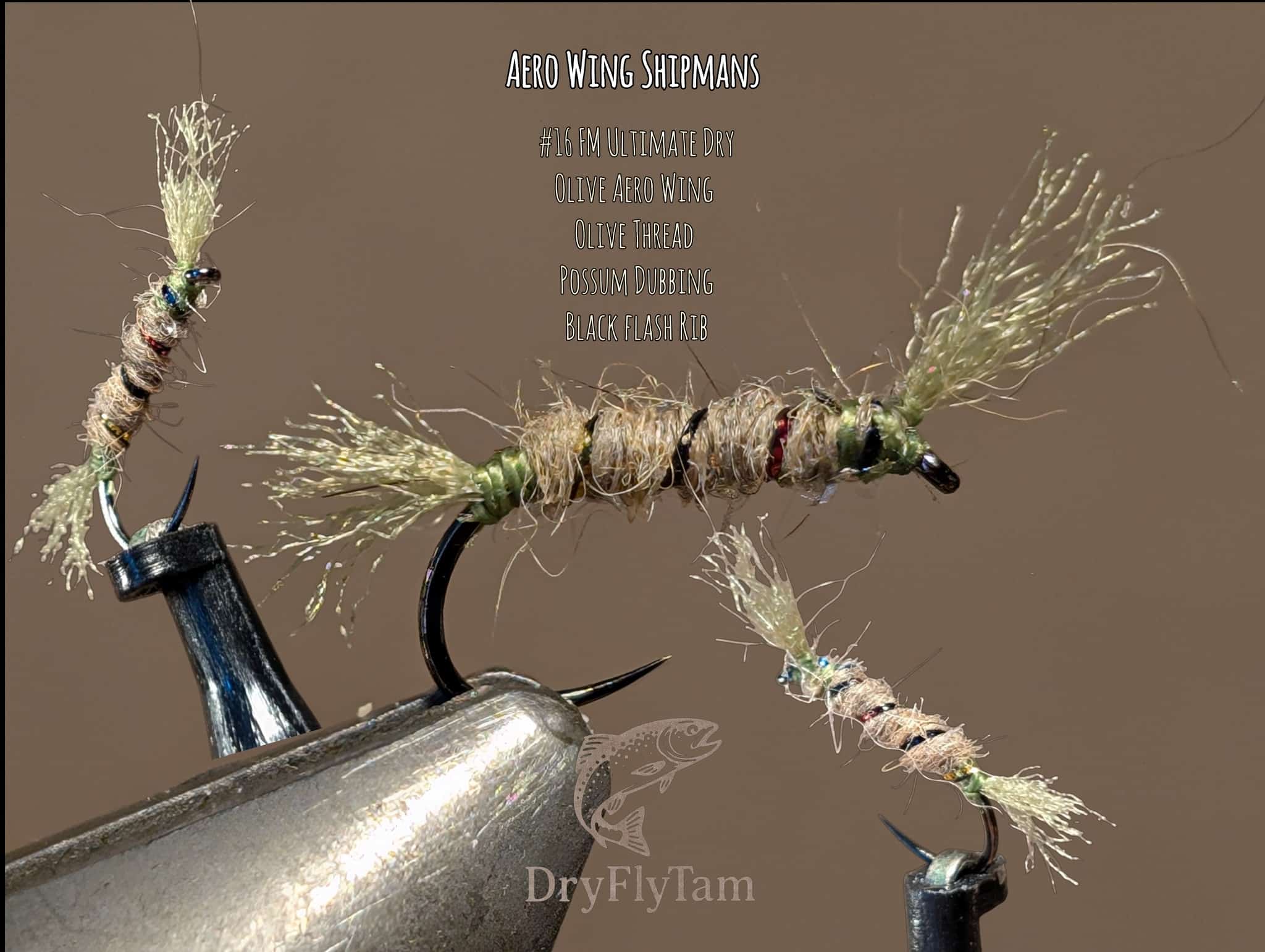
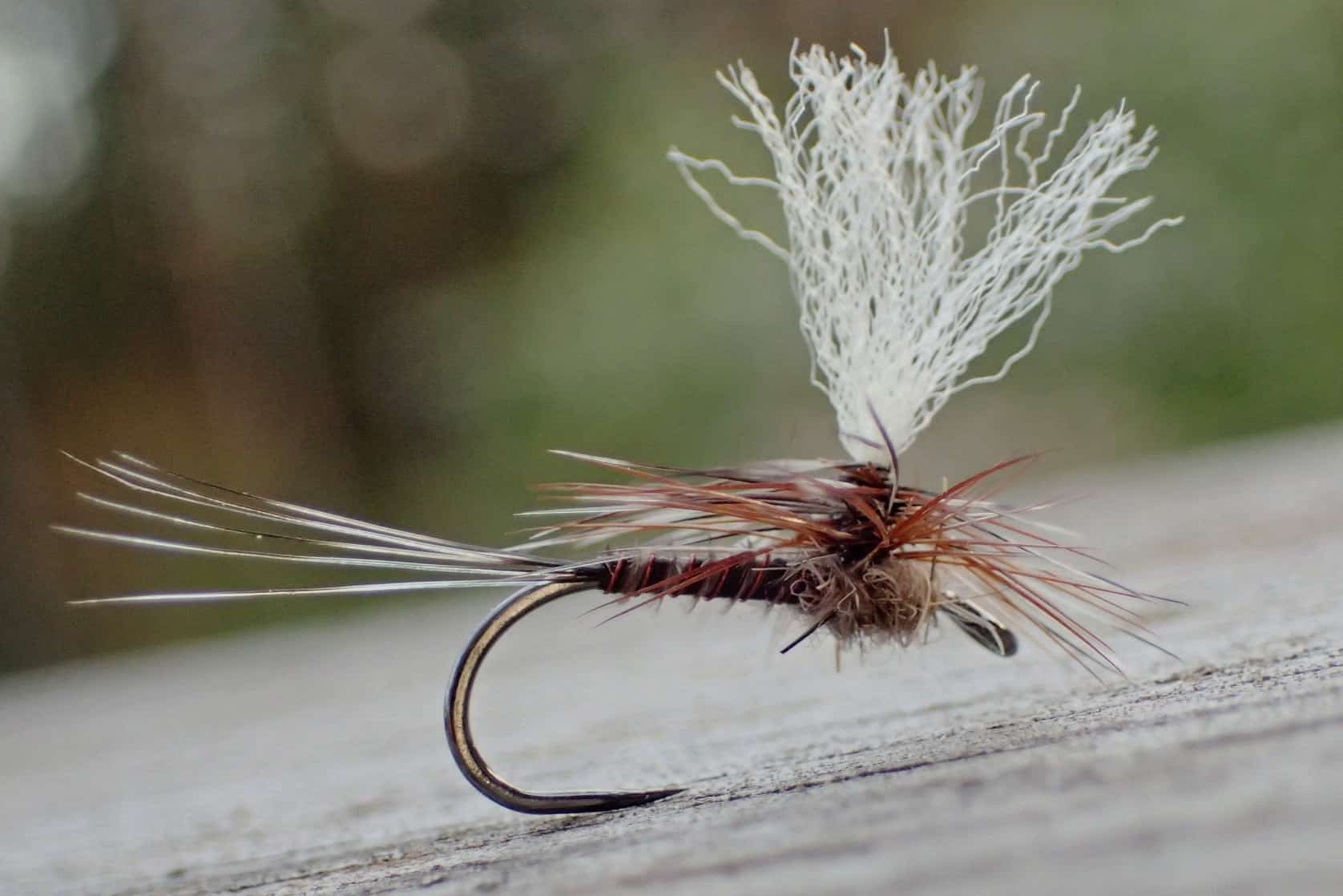
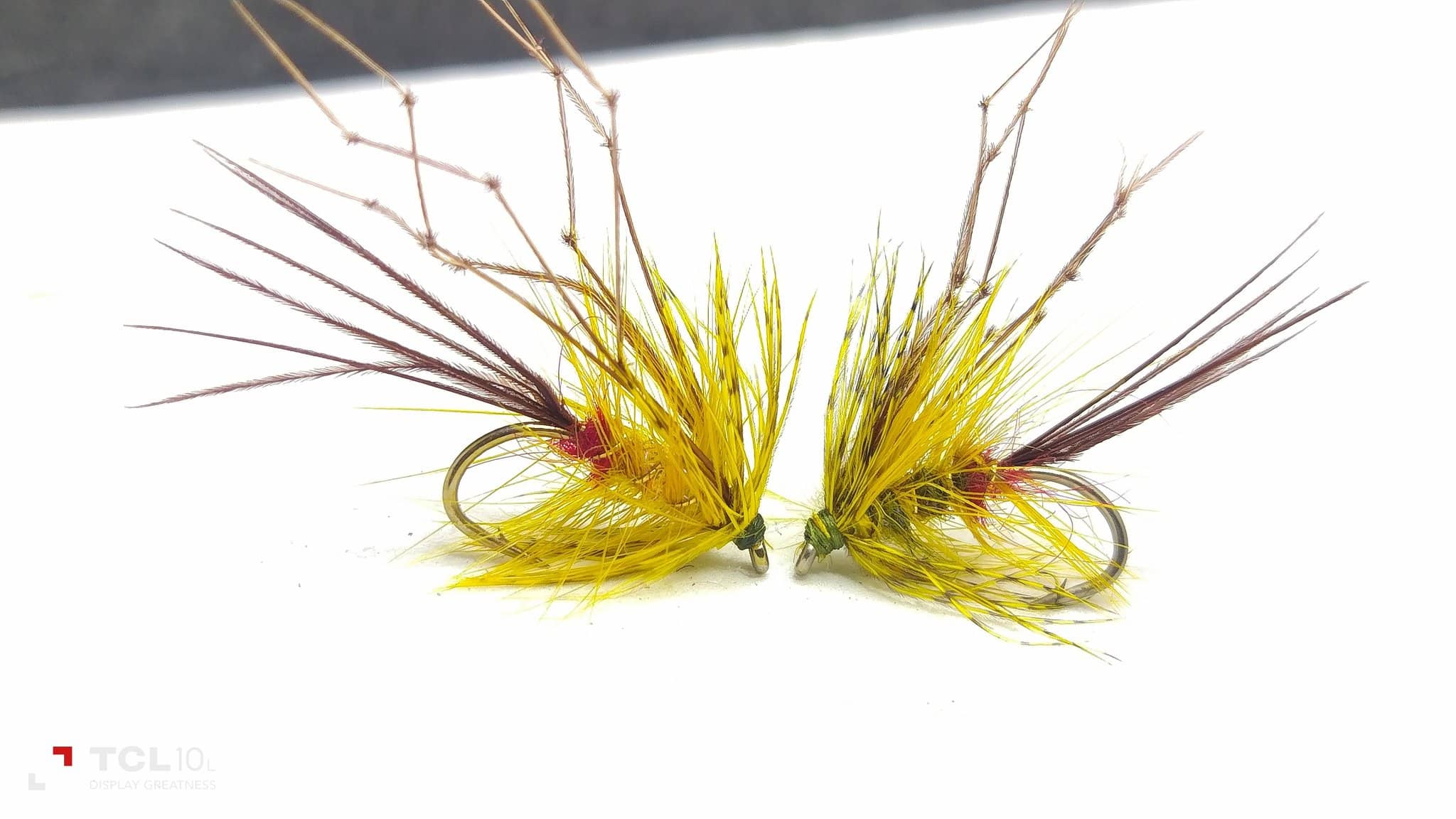
Flies that worked were the nymph patterns – Pheasant Tail, Hare’s Ear, Prince and Sparkle Dun, fished slowly. Emerger and Cripple patterns were limited in their success. Dry fly fishing the Wulffs in Grey, Green and Royal got results. Spent Gnat patterns along with the nymphs were the most successful in attracting fish for this week. Some wet fly fishing was there in the shake up with teams using a Pheasant Tail or Hare’s Ear Nymph as a top dropper, a Sparkle Dun or Emerger as the middle fly and a Gold-Ribbed Hare’s Ear for the point. Other patterns used were the Raymond, the Mosley Mayfly, the F fly, the Bibio Hopper (on the top dropper) Royal Wulff, Greenwells Glory, Grey Wulff, the Buzzer, Humpys, Pheasants Tail, Klinkhammer and the Stimulator. The most popular wet flies used were the Sooty olive, Green Dabbler, Claret Dabbler and Peter Ross Dabbler.
Best fishing areas, depending on wind direction were the silted areas of Goreport, Corru, Sailors Garden, Gaffneys, Derrysheridan, Merry Point, Plunketts Point, Bog Bay, Stony Islands, Finea and around Church Island. All locations were wind dependant.
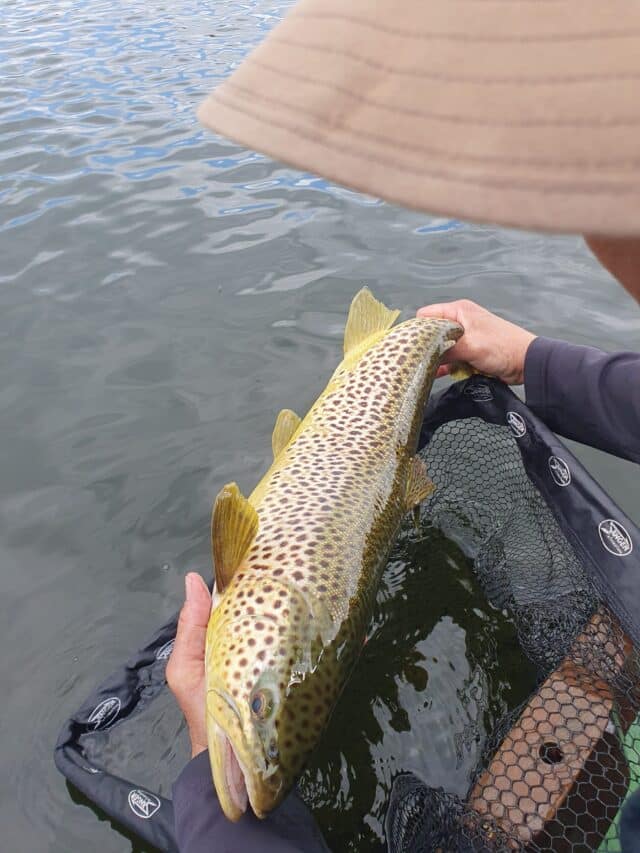
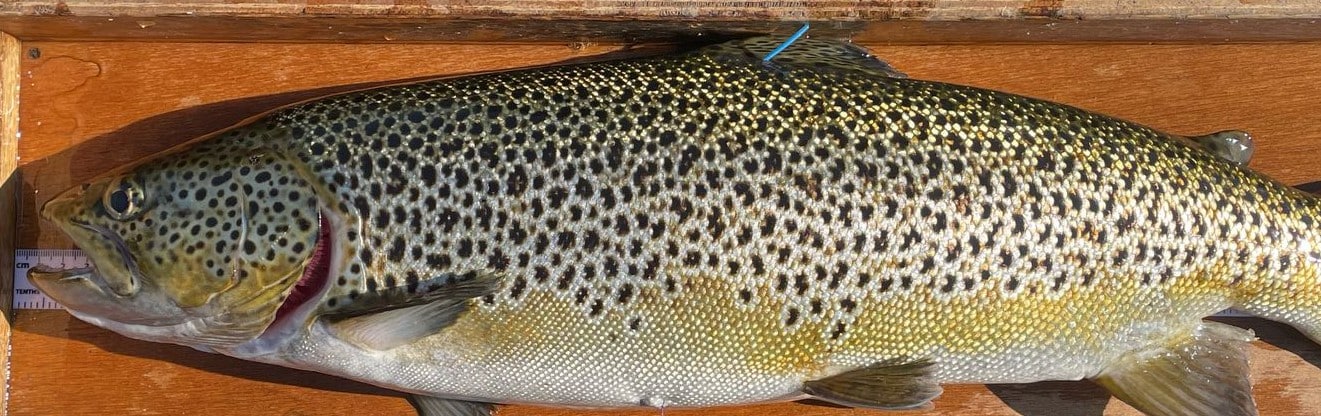
IFI’s tagging project is active on Lough Sheelin so all anglers are reminded to keep an eye out for a blue tag with the requirement to note the number, size of fish and to ensure trout is released.

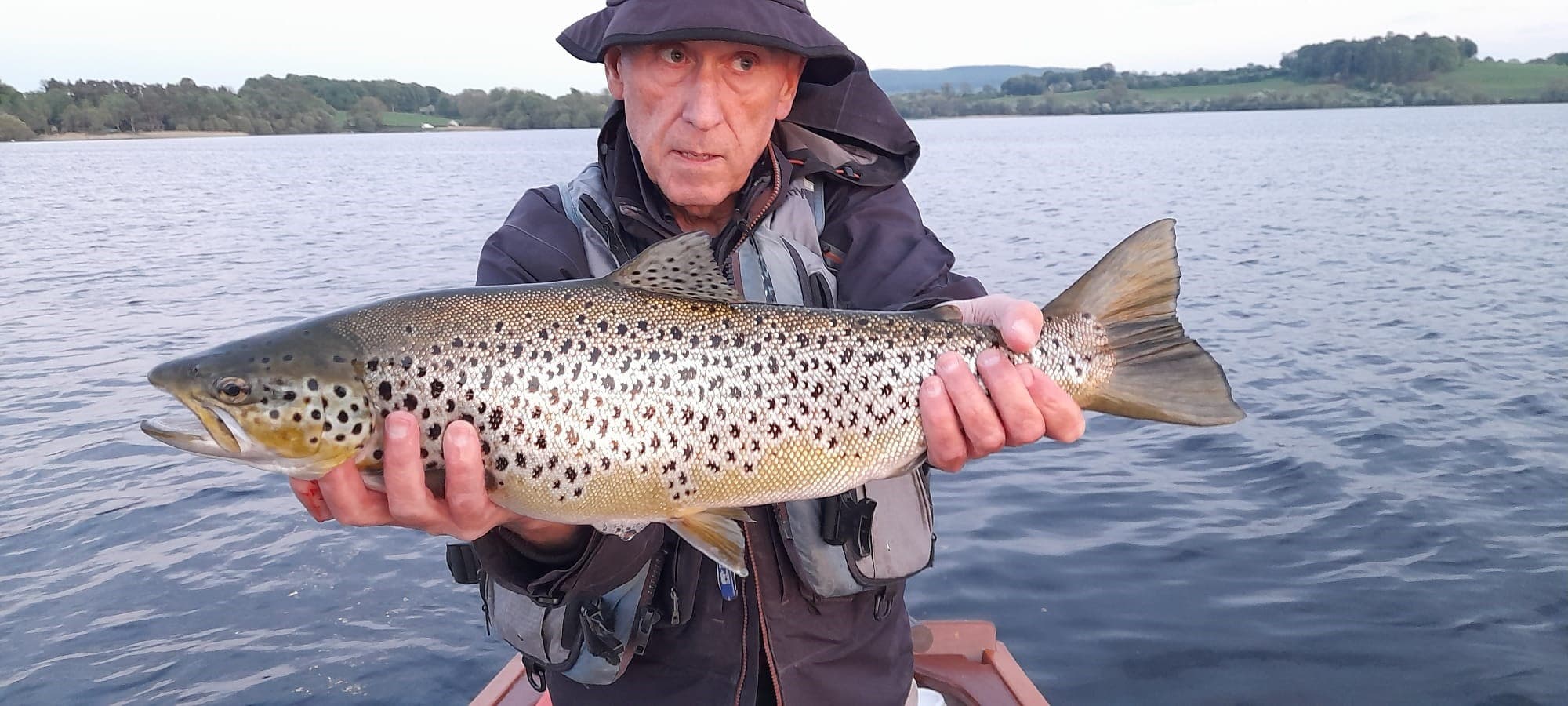
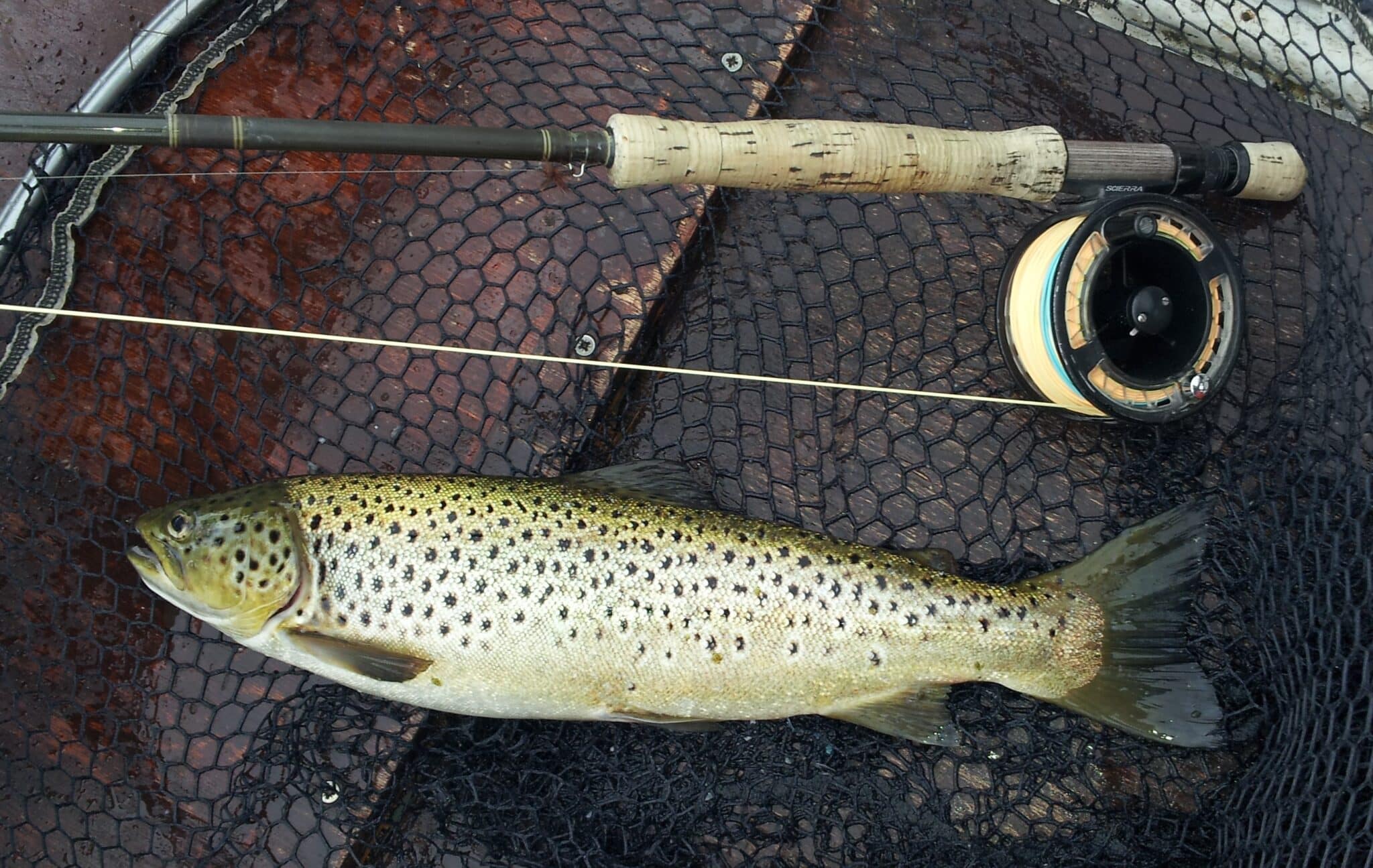
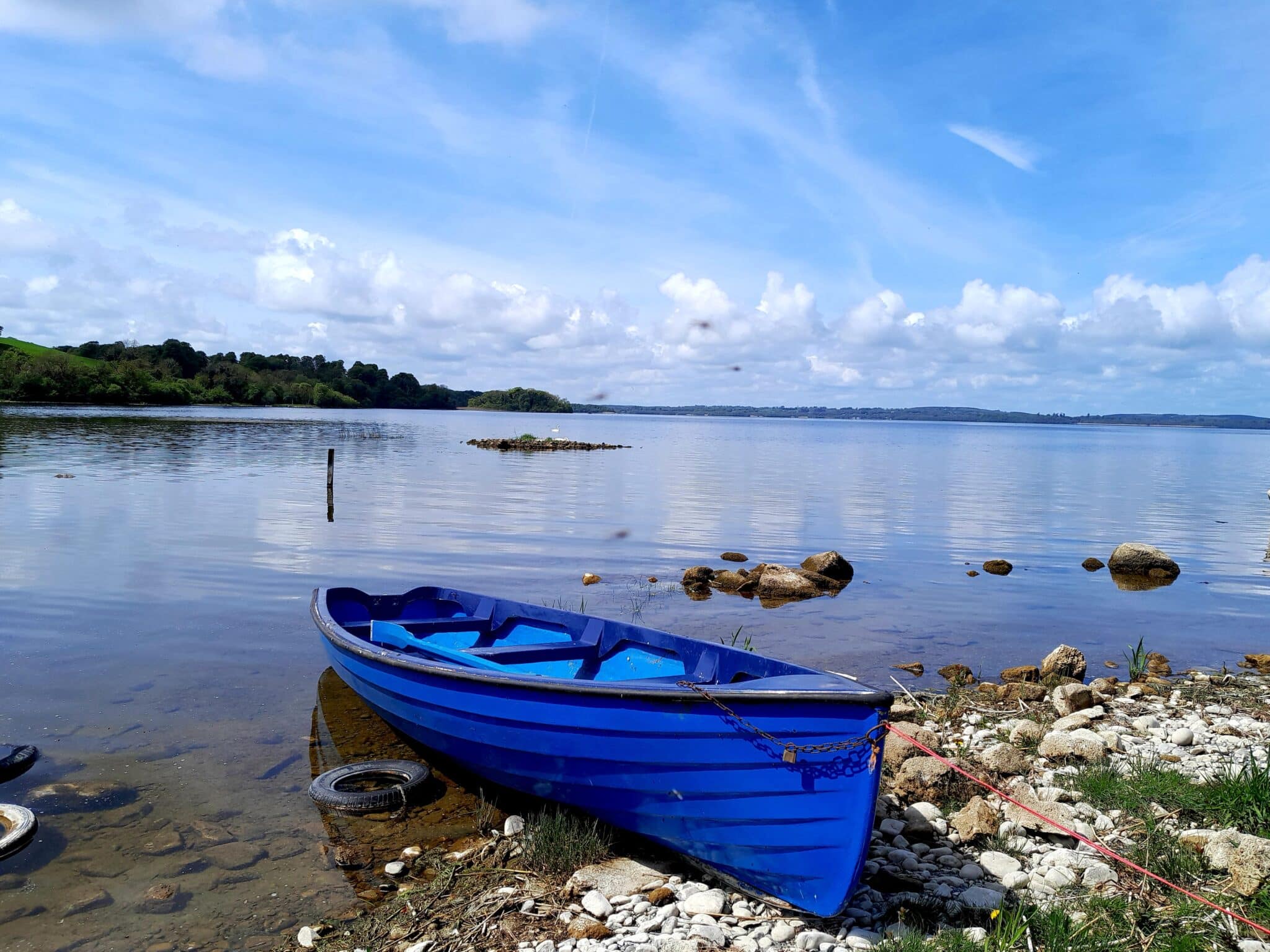
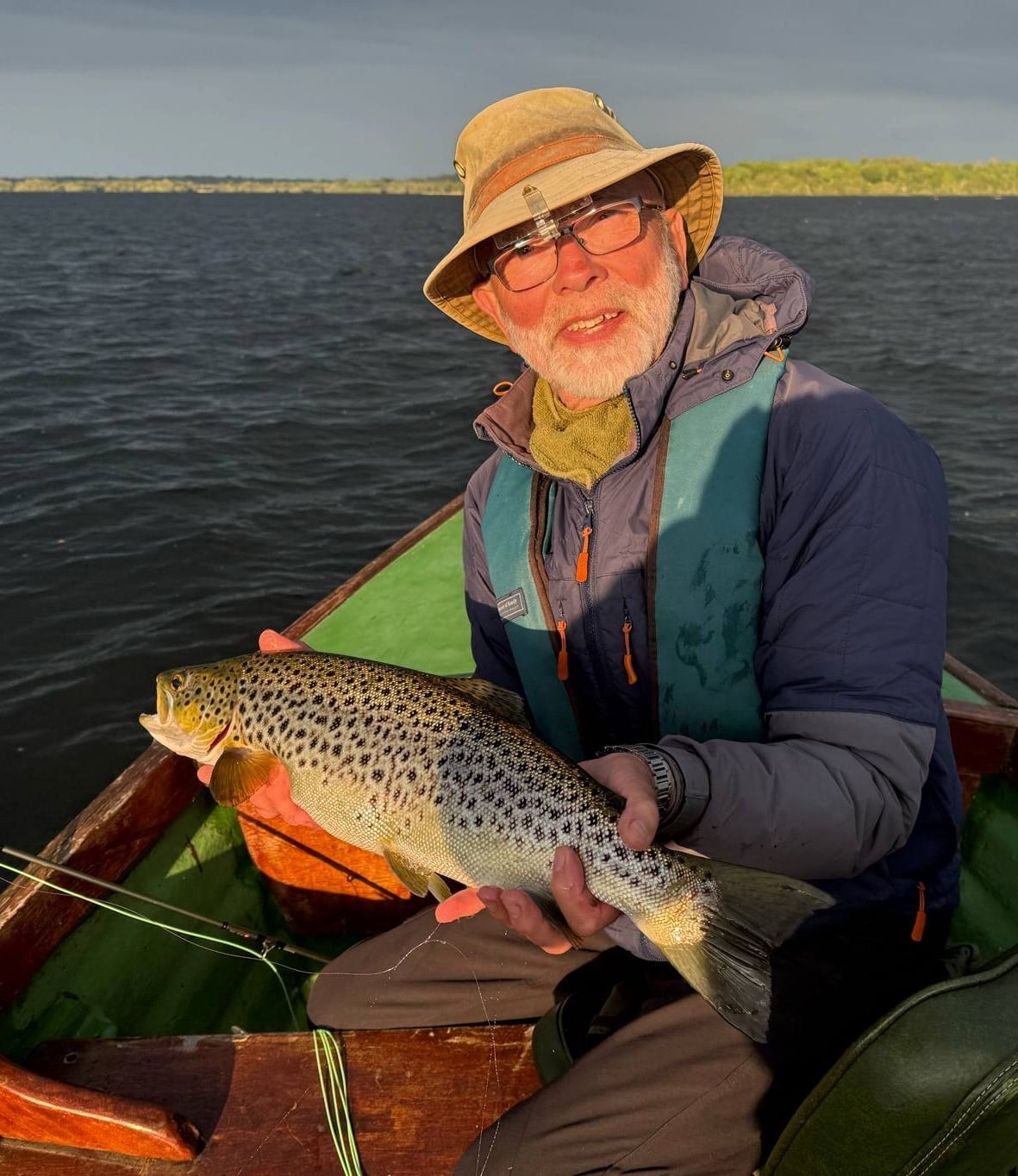
Anglers must remember that Lough Sheelin is a wild brown trout fishery. This large majestic expanse of water takes no prisoners and will never give up her quarry easily. It has always been that way regardless of where we are in the fishing calendar. Admittedly the Mayfly season is supposed to be an easier time to catch a trout when anglers can make the most of the trout’s gluttony and it is easy pickings. ‘Duffer’s fortnight’ a term that I find hard to understand -14 days when the trout are careless and even the novice can catch fish. Times have changed and in the here and now Sheelin is challenging for all sorts of reasons – an excessive and ready supply of food sub-surface, a mammoth amount on the surface, previous snags and releases and excess boat traffic to name but a few. People who fish Sheelin must realise that this is not an easy place, the fish are not trained and there will be lots of blank days, you have to work hard to catch your fish. But on those blank days we should remember that being out on this lake is not just about fishing, it is also very much about being in a vast wild place with nature very much in evidence with millions of magical mayflies who have remained largely unchanged for over 300 million years. As Tomas Garrigue Masaryk said, “Wherever the trout are, it’s beautiful”, the icing on the cake is the chance of catching a Sheelin specimen.

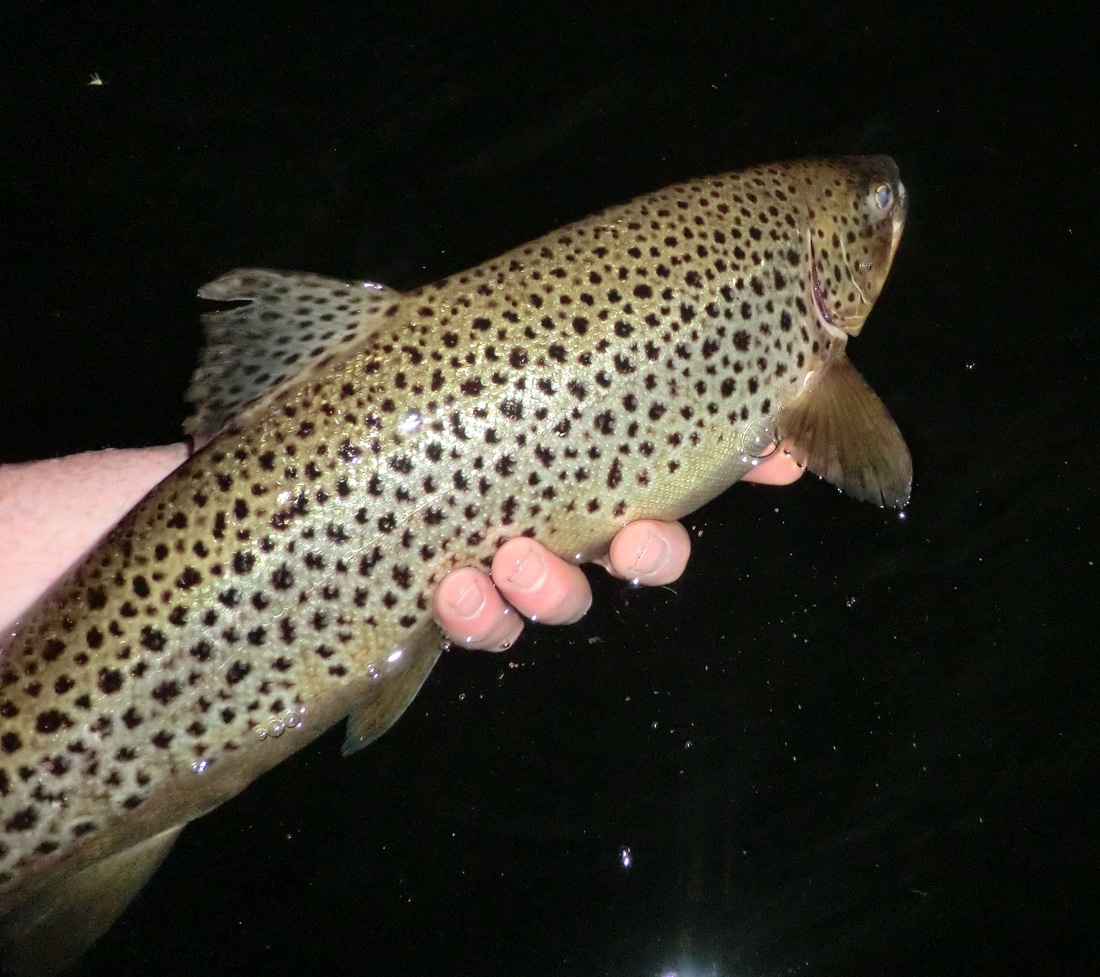

Sheelin Fishing Guides:




John Mulvany johnmulvanyfishing@gmail.com 086 2490076
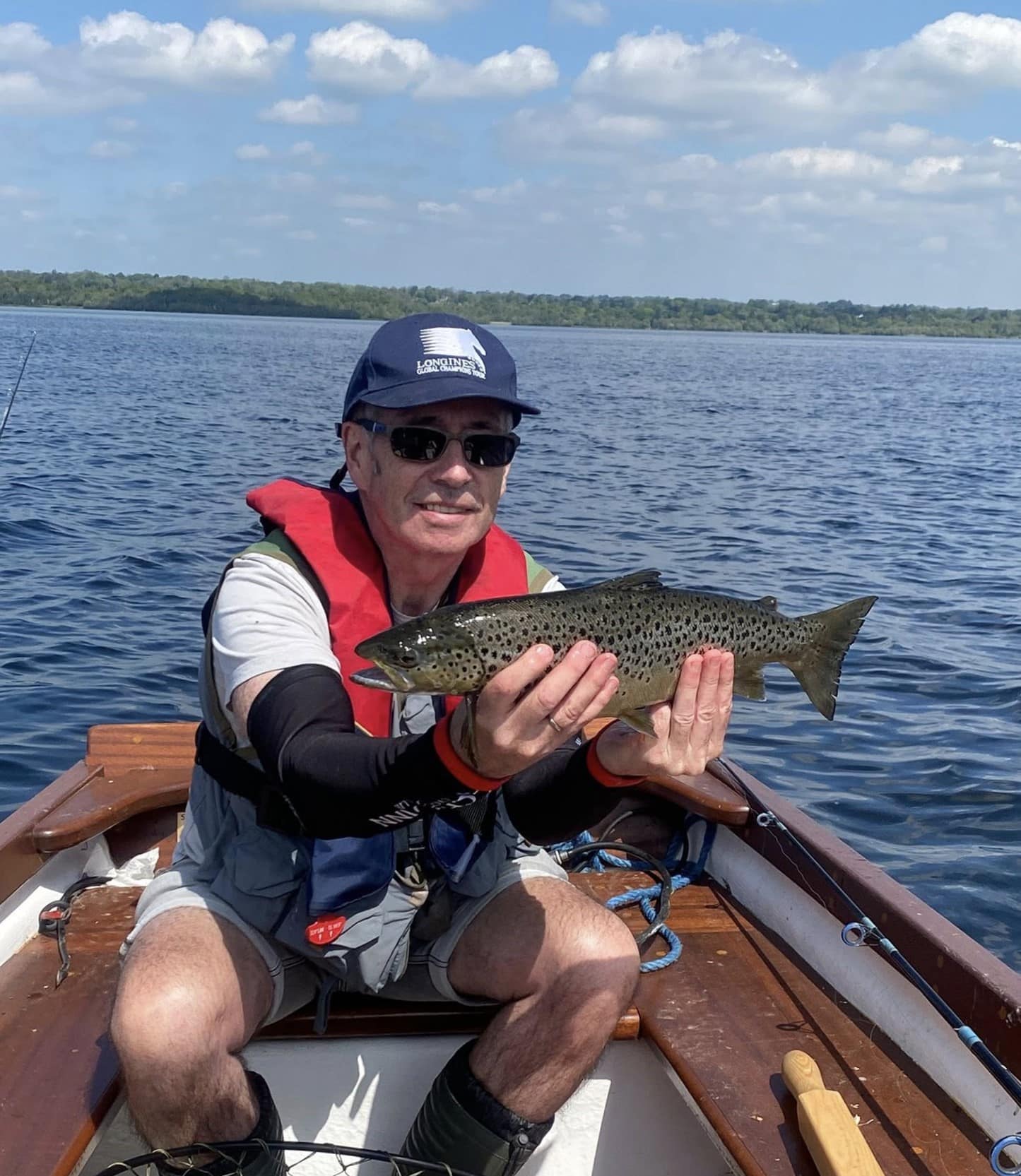
Please remember anglers to abide by BYE-LAW 949 which strictly prohibits from
June 14th, 2017 onwards:
- The taking of any brown trout of less than 36 centimeters.
- For a person to fish with more than 2 rods at any one time.
- To fish with more than 4 rods at any one time when there is more than one person on board the boat concerned.
- For a person to take more than 2 trout per day.
- All trolling on the lake from March 1st to June 16th (inclusive).
- To fish or to attempt to take or to fish for, fish of any kind other than during the period from March 1st to October 12th in any year.
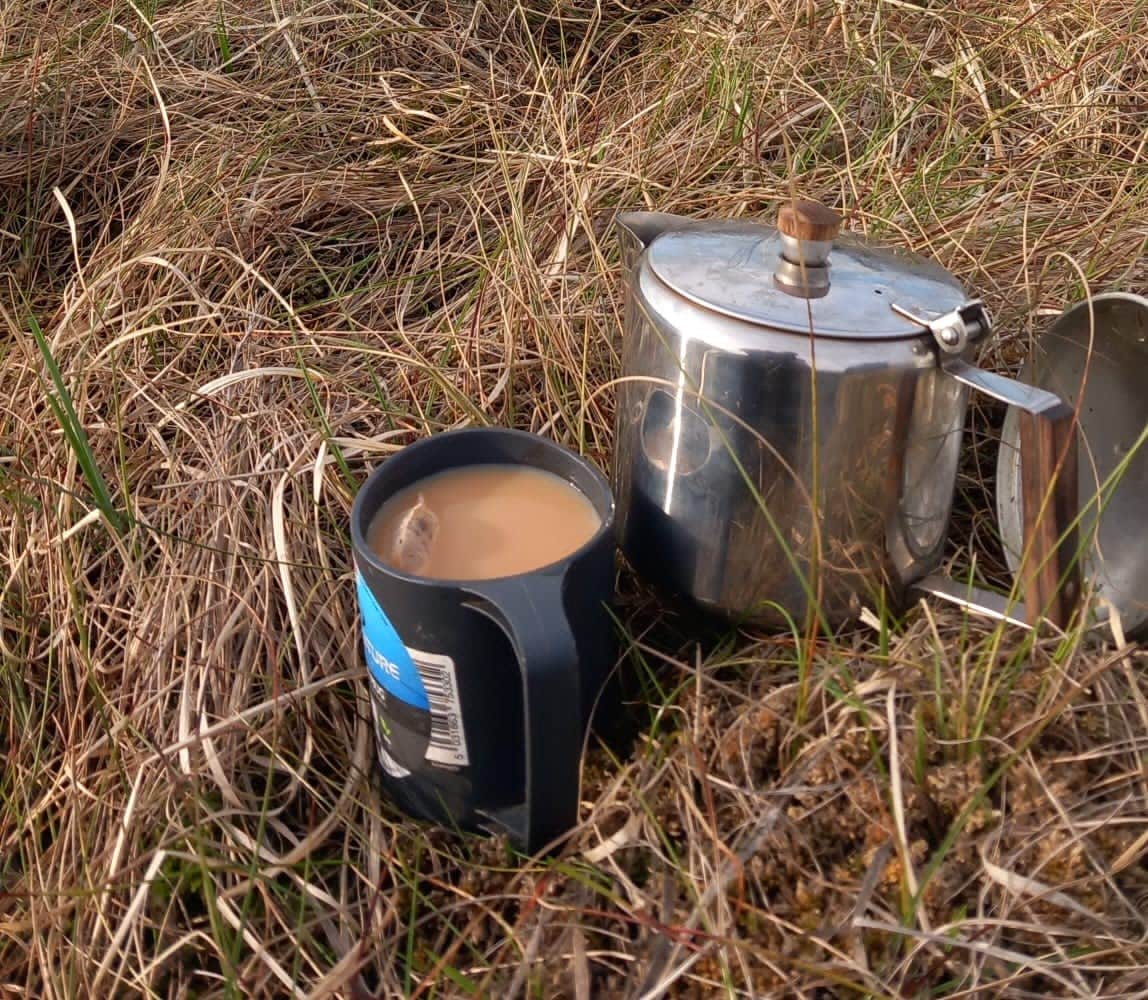


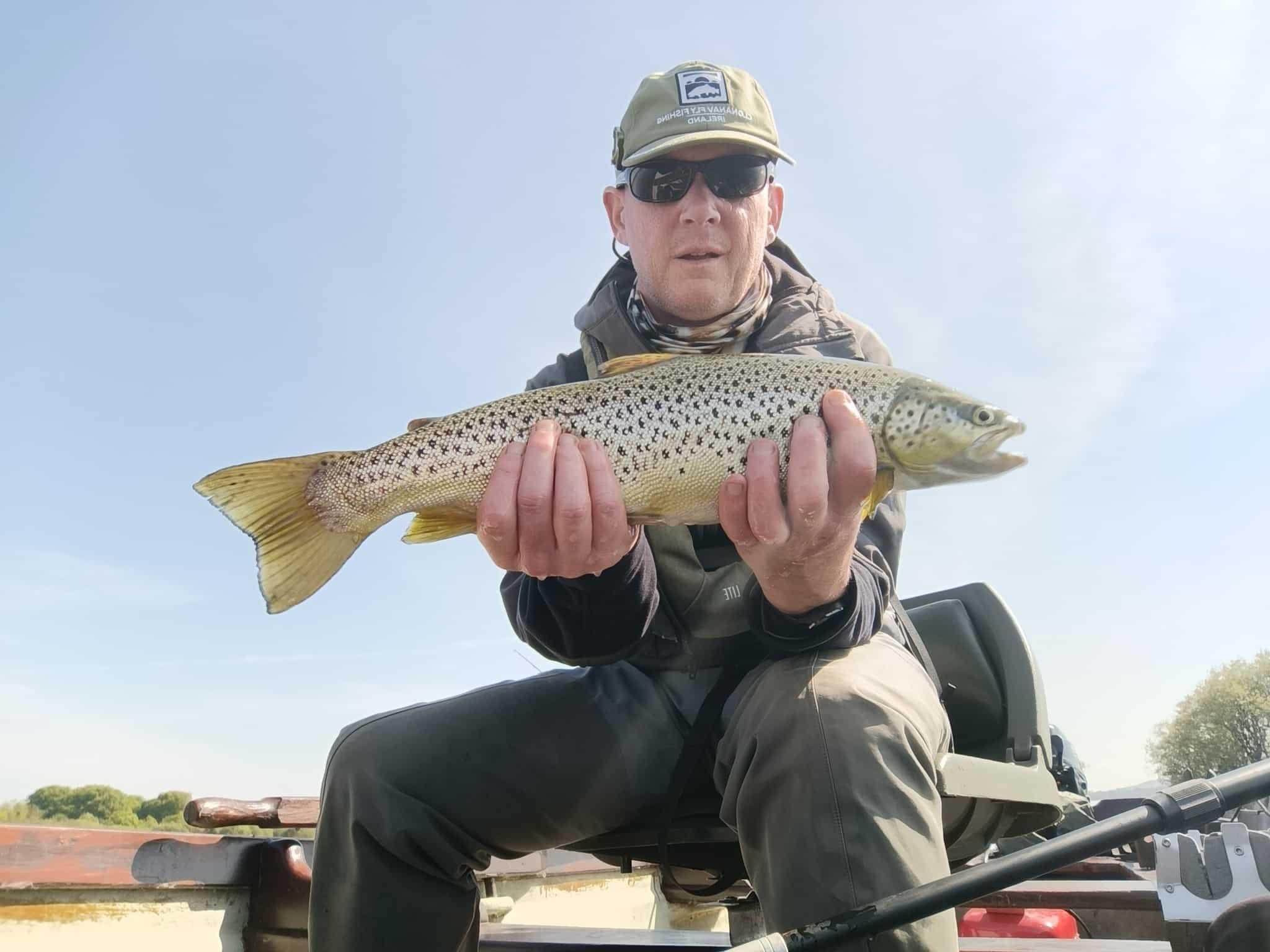
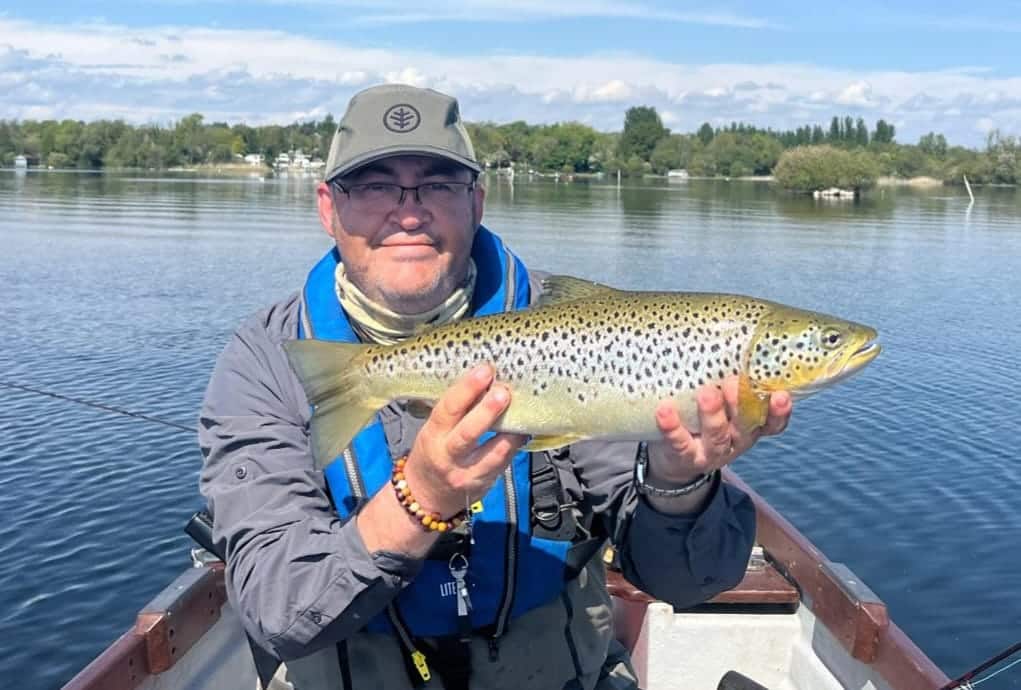
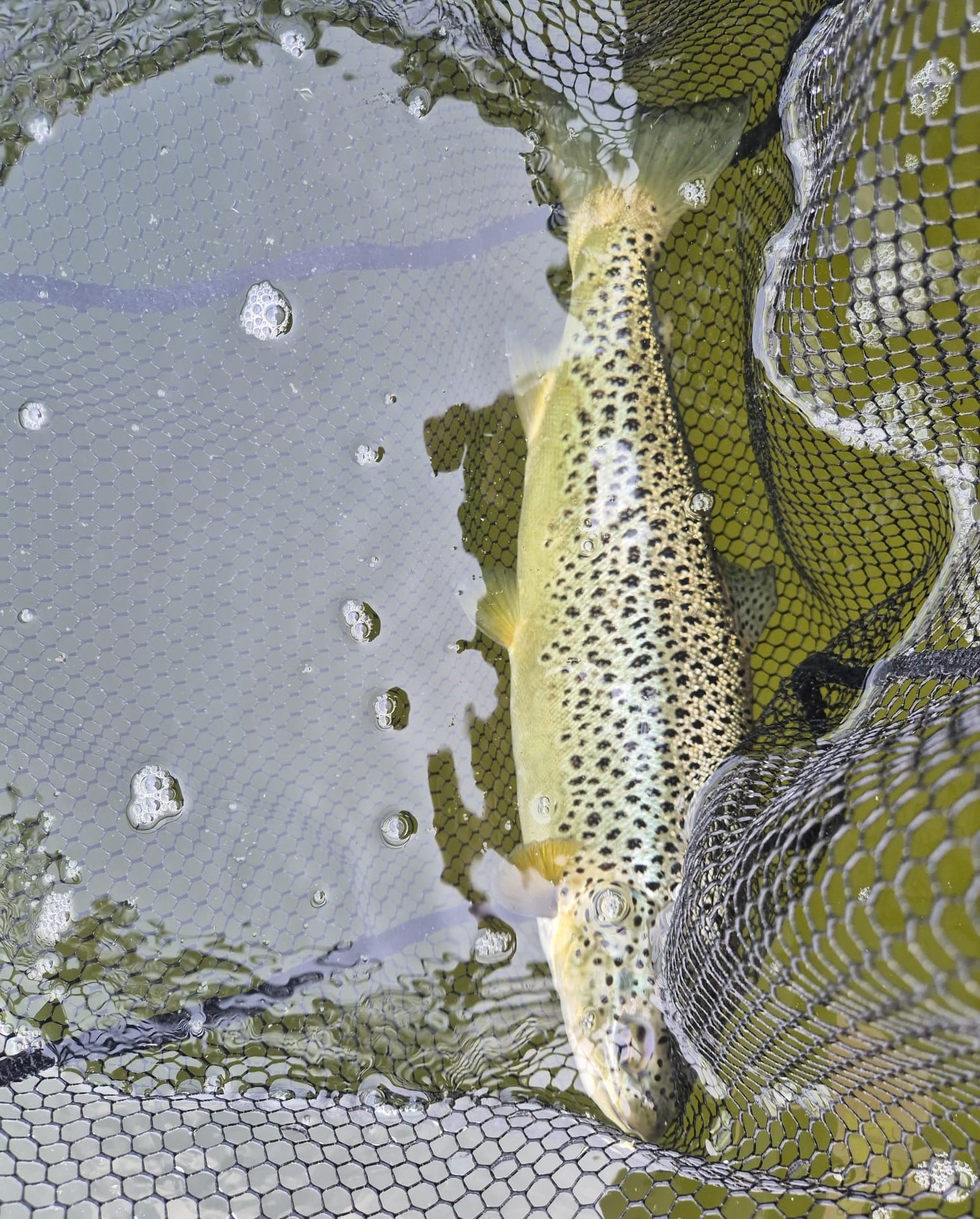
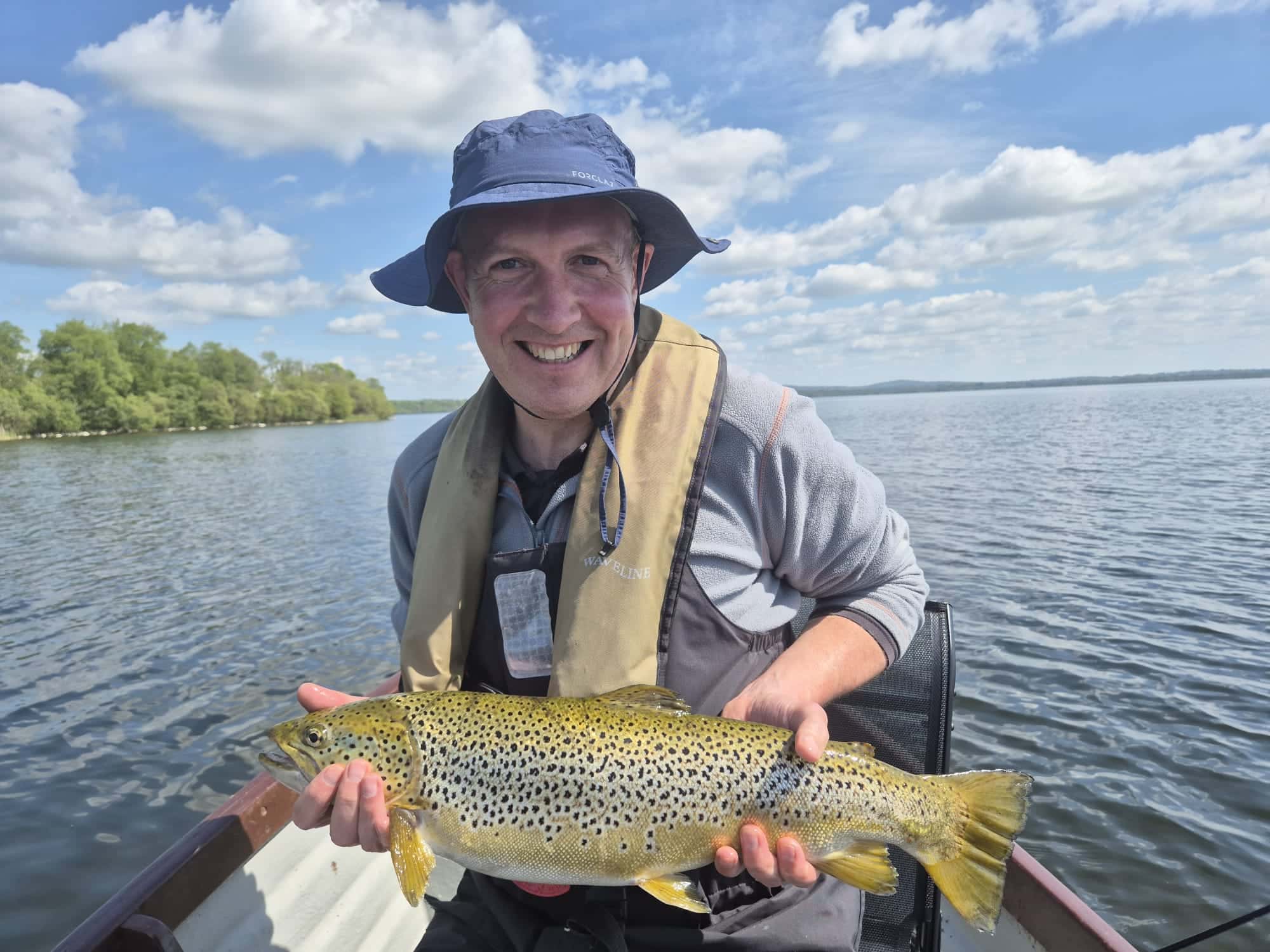
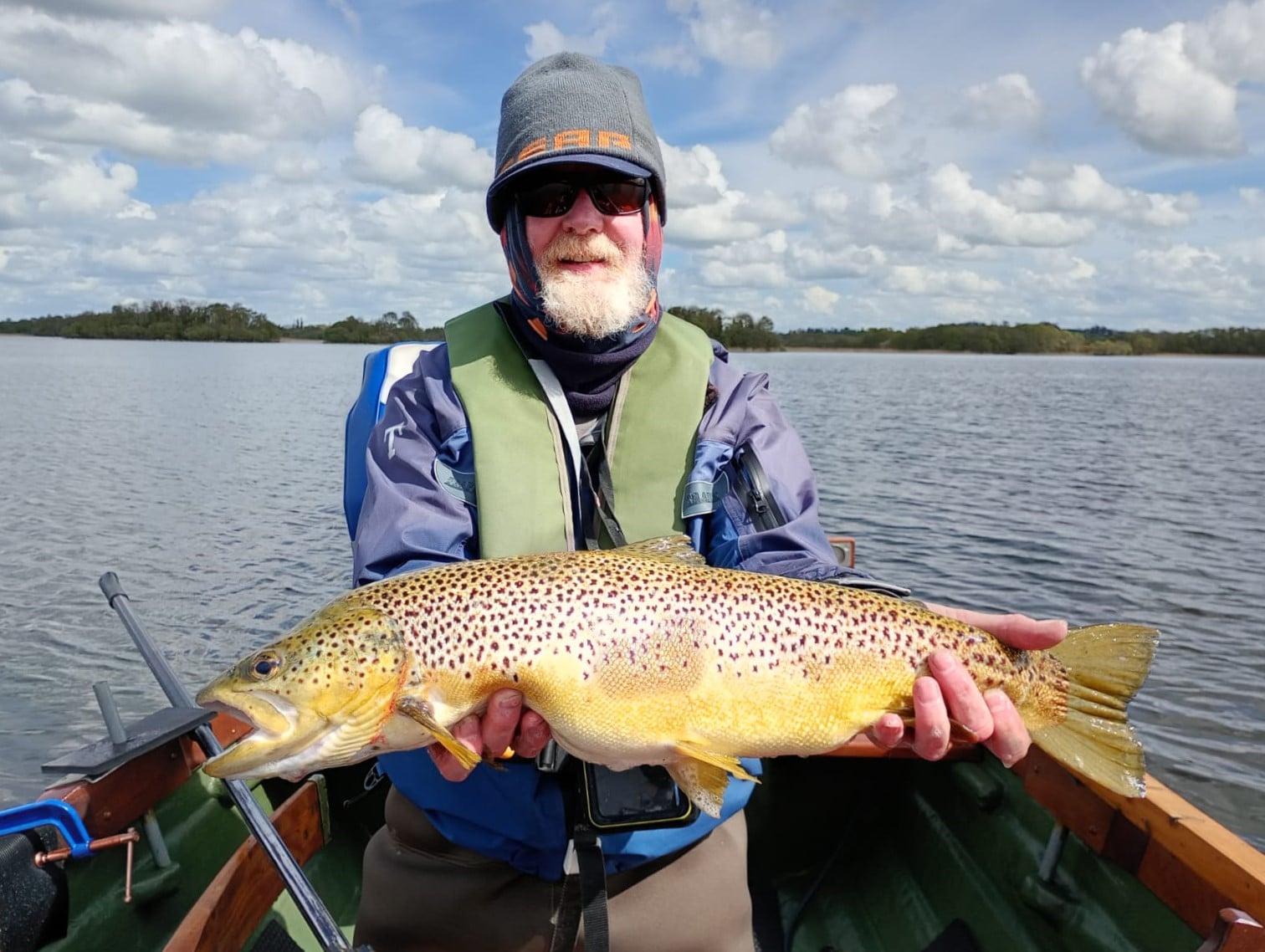
Heaviest trout: a 9 lb trout caught by Gene Haran at Crover
Number of trout recorded: 53
Selection of catches:
Barry Fox, Rathoath – 2 trout at 7.1 and 5lbs caught on Spent Gnat patterns along the Western shore.
Juerg Casty, Switzerland – 1 trout at over 7lbs using an Olive Hare’s Ear Copper head as a point fly, caught and released at the Stoney Islands.
Diarmuid O’Donovan guided by Denis Goulding – 1 trout at over 3lbs on nymphs.
Dominic Murphy, Dublin – 1 trout at 5lbs on a spent at Crover, May 13th.
David Jones – 1 trout at 6lbs on the Spent Gnat, May 11th.
Melvyn Wood – 1 trout at 3lbs on the Spent Gnat, May 11th.
Martin Dunn, UK – 1 trout at 3lbs on nymphs.
Gary McKiernan (Lough Sheelin guiding) – 14 trout for the week, averaging 3lbs on nymphs and dries.